7 Seating Arrangement Wedding Disasters That Make Guests Cringe (Avoid #4!)
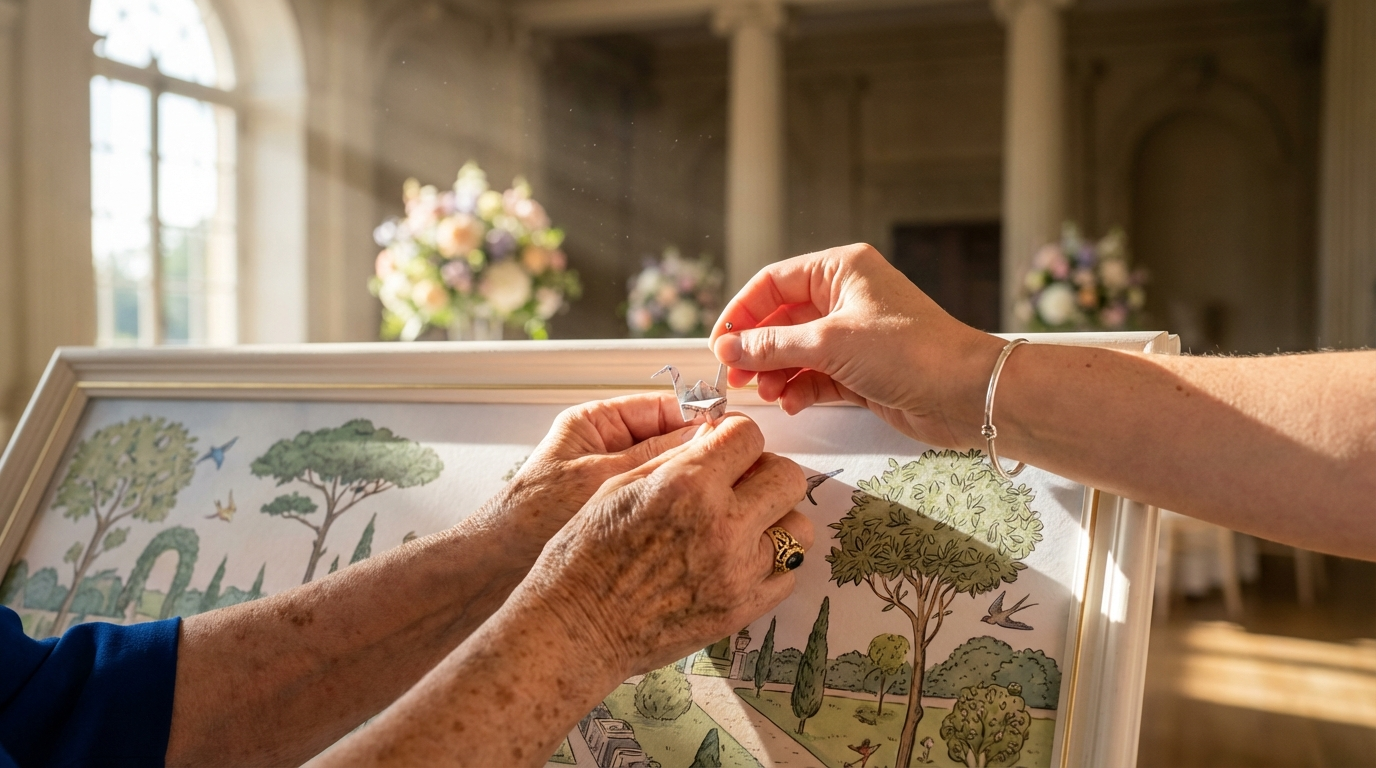
Your wedding day should be a joyous celebration, a seamless blend of love, laughter, and carefully orchestrated details. But let's face it: even the most meticulously planned weddings can fall victim to unforeseen hiccups. And one area where things can quickly go awry is the seating arrangement wedding. A poorly planned seating chart can lead to awkward silences, disgruntled guests, and a reception that lacks the vibrant energy you envisioned. Don't let a seating snafu dampen your special day. We're here to guide you through the potential pitfalls and help you create a table arrangement that fosters connection and ensures everyone has a fantastic time.
Key Takeaways
- Avoid grouping guests with nothing in common to prevent awkward silences and forced conversations.
- Consider family dynamics and potential tensions when creating your seating plan.
- Use a seating chart tool like SeatingChartCreator.com to easily visualize and adjust your table arrangement.
- Don't forget to account for dietary restrictions and special needs when assigning seats.
- Clearly display your seating arrangement wedding so guests can easily find their tables.
The Perils of Random Guest Assignments
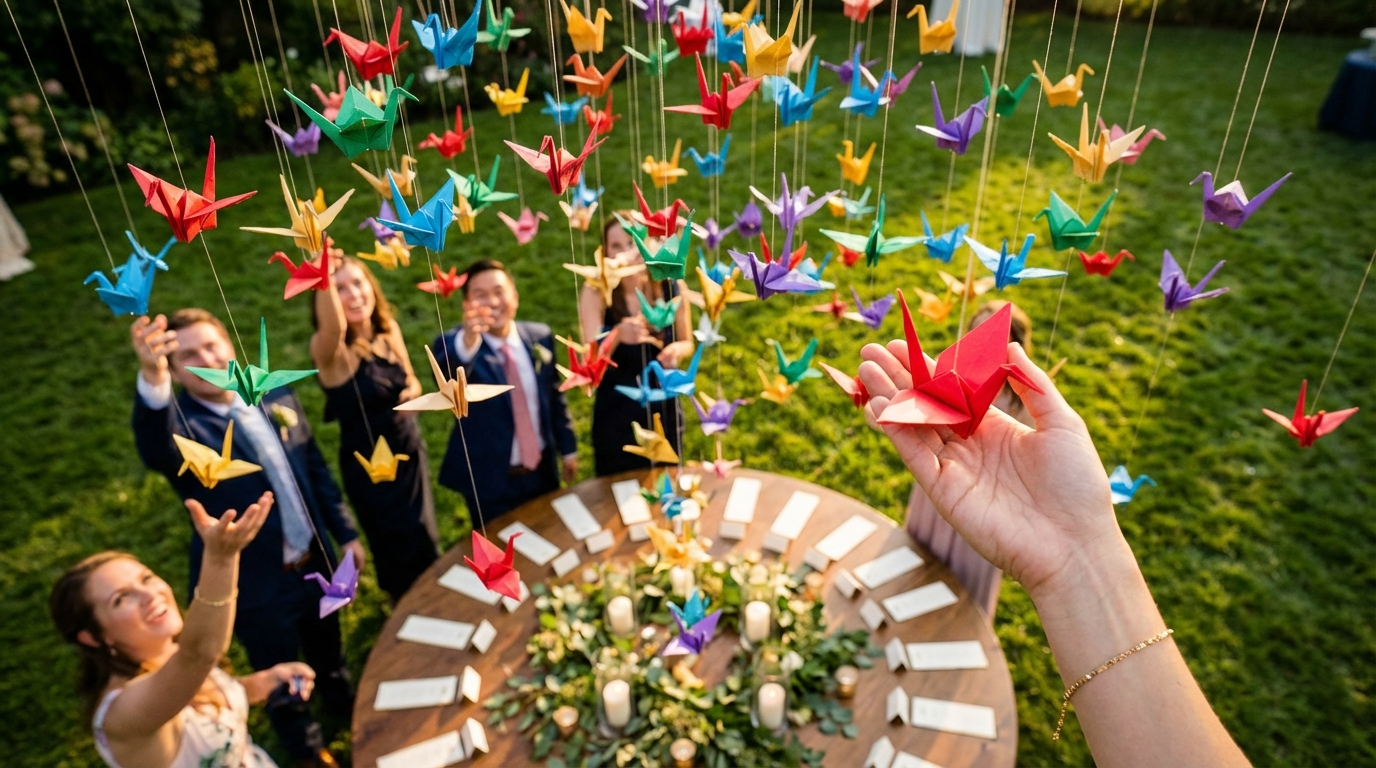
Imagine walking into a wedding reception, eagerly anticipating a night of celebration, only to find yourself seated next to complete strangers with whom you share absolutely no common ground. This is the reality for many guests at weddings with poorly thought-out seating arrangements. The result? An evening of forced small talk, awkward silences, and a general feeling of disconnection. No one wants to feel like an outsider at a wedding, especially when they're there to celebrate your love.
Design Your Perfect Seating Chart
Free drag-and-drop seating chart creator for weddings, events, and venues. Export professional PDFs in minutes.
Create Free Seating ChartThe key to avoiding this disaster is to be intentional about who you seat together. Think about your guests' personalities, interests, and relationships. Are there groups of friends or family members who naturally gravitate towards each other? Seat them together! Are there individuals with shared hobbies or professional backgrounds? Placing them at the same table can spark engaging conversations and create new connections. A well-thought-out seating chart is more than just assigning names to tables; it's about creating an environment where guests feel comfortable, connected, and ready to celebrate.
Consider these scenarios: Aunt Mildred, who loves gardening, is seated next to your tech-savvy cousin, who spends most of his time coding. While they might find some common ground, the conversation could quickly stall. On the other hand, seating Aunt Mildred with other gardening enthusiasts will ensure lively discussions and shared enjoyment. Remember, your goal is to create a table arrangement that encourages interaction and minimizes awkwardness.
Ignoring Family Dynamics: A Recipe for Disaster
Weddings often bring families together, and while this can be a beautiful thing, it can also be a breeding ground for tension and drama. Ignoring existing family dynamics when creating your seating arrangement wedding is a surefire way to ignite old feuds and create uncomfortable situations for everyone involved. Think carefully about which family members get along and which ones have a history of conflict. Seating estranged relatives next to each other might seem like a good way to encourage reconciliation, but it can easily backfire and create a tense atmosphere at your reception.
Instead, consider seating feuding family members at separate tables, or even in different areas of the venue. Buffer them with friendly, neutral guests who can help diffuse any potential awkwardness. If you're unsure about the dynamics between certain family members, don't hesitate to ask for advice from trusted relatives or friends who are familiar with the situation. They can offer valuable insights and help you create a seating plan that minimizes conflict and maximizes harmony.
It's also important to be mindful of divorced parents and their new partners. Seating them at the same table can be incredibly uncomfortable, especially if there's still lingering animosity. In some cases, it might be best to seat them at separate tables altogether. Ultimately, your goal should be to create a table arrangement that allows everyone to feel comfortable and respected, regardless of their relationship with other guests.
How to Use SeatingChartCreator.com to Design Your Dream Table Arrangement
Creating the perfect seating arrangement wedding can feel overwhelming, but with the right tools, it can be a seamless and even enjoyable process. SeatingChartCreator.com offers a user-friendly platform that simplifies the task of designing your table arrangement. Here's a step-by-step guide to help you get started:
Create an Account
Visit SeatingChartCreator.com and sign up for a free account. This will allow you to save your progress and access your seating chart from any device.
Input Your Guest List
Enter your guest list, including names, dietary restrictions, and any other relevant information. You can also import your guest list from a spreadsheet for added convenience.
Design Your Venue Layout
Choose from a variety of pre-designed venue layouts or create your own custom layout to match your specific venue. Add tables, chairs, and other elements to accurately represent your reception space.
Assign Guests to Tables
Drag and drop guests onto tables to create your seating arrangement. SeatingChartCreator.com makes it easy to move guests around and experiment with different configurations until you find the perfect arrangement.
Preview and Share Your Seating Chart
Preview your seating chart to ensure everything looks correct. Share your seating plan with your wedding planner or other trusted individuals for feedback and suggestions.
With SeatingChartCreator.com, you can easily visualize your table arrangement, experiment with different seating options, and create a seating plan that reflects your unique vision for your wedding day. Plus, it's free to use! Take advantage of this powerful tool to simplify the seating arrangement wedding process and ensure a smooth and enjoyable experience for you and your guests. You can also explore Free Templates for inspiration.
Accounting for Dietary Restrictions and Special Needs
In today's world, dietary restrictions and special needs are increasingly common. Failing to account for these factors when creating your seating arrangement wedding can lead to uncomfortable situations and even health risks for your guests. Imagine a guest with a severe allergy being seated next to someone who is eating the very food they're allergic to. Or a guest with mobility issues being seated far from the restrooms or in a crowded area. These scenarios can easily be avoided with a little forethought and planning.
When gathering information from your guests, be sure to ask about any dietary restrictions, allergies, or special needs they may have. This information will be invaluable when creating your seating plan. For guests with allergies, consider seating them away from potential allergens and informing the catering staff of their restrictions. For guests with mobility issues, ensure they have easy access to restrooms, exits, and other important areas. You may also want to consider providing them with extra space at their table to accommodate wheelchairs or other mobility devices.
Going the extra mile to accommodate your guests' needs will not only make them feel comfortable and respected, but it will also demonstrate your thoughtfulness and attention to detail. A little consideration can go a long way in ensuring that everyone has a safe and enjoyable experience at your wedding. Remember, your table arrangement is more than just aesthetics; it's about creating an inclusive and welcoming environment for all of your guests.
Before You Start
- Confirm all dietary restrictions with your caterer
- Note any guests with mobility concerns
- Consider noise levels for guests with hearing sensitivities
The Importance of a Clear and Accessible Seating Chart Display
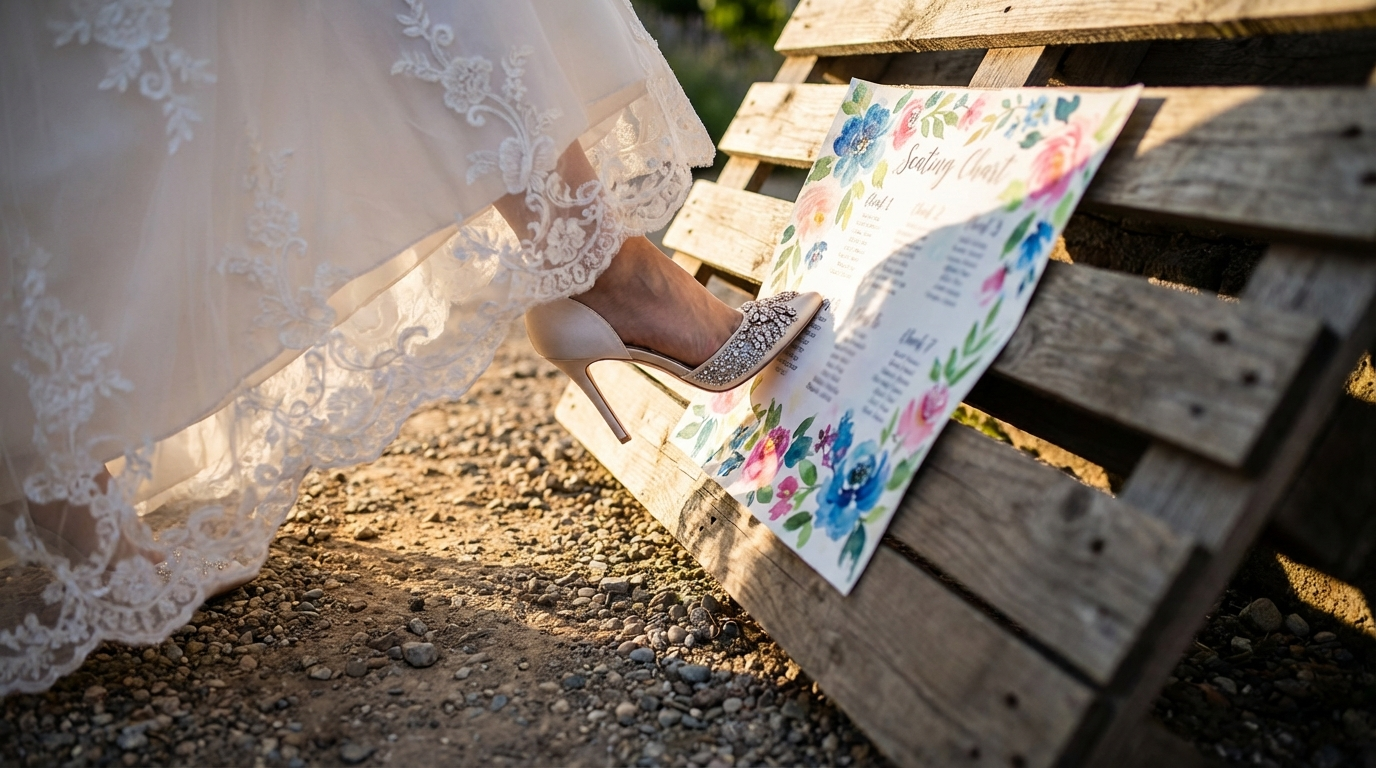
You've spent hours crafting the perfect seating arrangement wedding, carefully considering each guest's personality, relationships, and needs. But all of that effort will be for naught if your guests can't easily find their assigned tables. A clear and accessible seating chart display is crucial for ensuring a smooth and stress-free entry into your reception. Imagine the chaos that would ensue if guests were left to wander aimlessly, searching for their names on a poorly organized or illegible chart.
Your seating chart display should be prominently located near the entrance to the reception area, where guests can easily find it upon arrival. Ensure that the chart is well-lit and that the font size is large enough to be easily read from a distance. Consider organizing the names alphabetically by last name to make it easier for guests to locate their assignments. You can also include table numbers or names to help guests quickly identify their designated tables.
In addition to a physical seating chart display, you may also want to consider providing digital access to the seating plan. This can be especially helpful for guests who are tech-savvy or who prefer to use their smartphones or tablets to access information. You can create a QR code that links to your online seating chart, allowing guests to easily find their assignments with a quick scan. By providing both physical and digital options, you can cater to a wider range of preferences and ensure that everyone can easily navigate the seating arrangement.
Strategic Table Shapes and Sizes for Optimal Guest Interaction
The shape and size of your tables can have a significant impact on guest interaction and the overall atmosphere of your reception. Round tables are generally considered to be more conducive to conversation, as they allow guests to easily see and interact with everyone at the table. Rectangular tables, on the other hand, can be more space-efficient and create a more formal and structured feel. Choosing the right table shape for your seating arrangement wedding depends on your personal preferences, the size of your venue, and the overall style of your wedding.
In terms of table size, it's important to strike a balance between comfort and intimacy. Overcrowded tables can feel cramped and uncomfortable, while tables with too few guests can feel isolating and impersonal. Aim for 8-10 guests per round table and 6-8 guests per rectangular table. This will allow for comfortable conversation and ensure that everyone feels like they're part of the group. Also, keep in mind that the amount of space between tables is crucial for allowing guests to move around freely. Allow at least 3 feet of space between tables to avoid congestion and ensure that guests can easily access their seats.
Consider mixing and matching table shapes to create visual interest and accommodate different group sizes. You can use round tables for larger groups of friends and family and rectangular tables for smaller, more intimate gatherings. By carefully considering table shapes and sizes, you can create a table arrangement that fosters connection, encourages interaction, and enhances the overall enjoyment of your wedding reception. You can use Create Your Seating Chart to experiment with different table layouts.
Seating Arrangement Wedding: Examples and Templates
Need some inspiration for your seating arrangement wedding? Here are a few examples to get you started:
The Classic Round Table Arrangement
- Ideal for fostering conversation
- Elegant and traditional look
- Works well for large and small weddings
The Modern Rectangular Table Arrangement
- More space-efficient
- Contemporary and stylish
- Great for creating a sense of structure
Example 1: The "Mixer" Seating Arrangement
This arrangement focuses on introducing guests who don't know each other well. Seat each guest with people who have similar interests or professions, even if they aren't already acquainted. This can spark new friendships and create a lively atmosphere.
Example 2: The "Family First" Seating Arrangement
Prioritize seating close family members together, creating a sense of unity and connection. This is a great option for weddings where family is the central focus. Consider a head table for the wedding party and their significant others.
Example 3: The "VIP Treatment" Seating Arrangement
Designate special tables for VIP guests, such as close friends, family elders, or out-of-town attendees. Make sure these tables are in prime locations with excellent views and comfortable seating. Show your appreciation for their presence with thoughtful touches, like personalized favors or handwritten notes.
Remember, these are just examples. Feel free to adapt them to your specific needs and preferences. The most important thing is to create a seating plan that reflects your unique vision for your wedding day and ensures that your guests have a memorable and enjoyable experience.
Common Seating Arrangement Mistakes to Avoid
Creating the perfect seating arrangement wedding requires careful planning and attention to detail. Here are some common mistakes to avoid:
Mistake 1: Ignoring Guest Preferences
While you can't please everyone, it's important to consider your guests' preferences when creating your seating plan. If you know that certain guests dislike each other, avoid seating them together. If you have guests who are shy or introverted, seat them with friendly and outgoing individuals who can help them feel comfortable.
Mistake 2: Overlooking Single Guests
Don't automatically seat single guests together at a "singles table." This can feel isolating and impersonal. Instead, try to integrate single guests into tables with mixed groups of friends and family. If you do create a singles table, make sure it's filled with outgoing and sociable individuals who are open to meeting new people.
Mistake 3: Forgetting About the Dance Floor
Consider the location of the dance floor when creating your seating arrangement. Guests who enjoy dancing will appreciate being seated closer to the dance floor, while guests who prefer to chat and mingle may prefer to be seated further away. Be mindful of noise levels and ensure that guests seated near the dance floor can still comfortably converse.
Expert Tips for a Flawless Seating Arrangement Wedding
Want to take your seating arrangement wedding to the next level? Here are some expert tips to help you create a flawless seating plan:
Tip 1: Enlist the Help of Your Wedding Planner
Your wedding planner can be a valuable resource when it comes to creating your seating arrangement. They have experience with a wide range of weddings and can offer insights and suggestions based on their expertise. They can also help you navigate complex family dynamics and ensure that everyone is seated comfortably.
Tip 2: Consider Using Place Cards
Place cards add a touch of elegance and formality to your reception. They also help to avoid confusion and ensure that guests are seated in the correct spots. You can personalize place cards with guests' names, table numbers, and even small messages of appreciation.
Tip 3: Don't Be Afraid to Make Changes
Your seating arrangement is not set in stone. As your wedding day approaches, you may need to make changes based on RSVPs, cancellations, or new information. Be flexible and willing to adjust your seating plan as needed. The goal is to create an arrangement that works for everyone and ensures that your guests have a wonderful time.
Frequently Asked Questions
It's best to start working on your seating chart about 4-6 weeks before your wedding. This gives you time to receive all RSVPs and consider any specific needs or requests from your guests. Don't feel pressured to finalize it immediately – you can always make adjustments as needed.
Get Event Planning Tips
Weekly tips on seating arrangements, event layouts, and planning strategies.
SeatingChart Team
Our team of event planning experts is dedicated to helping you create unforgettable events with perfect seating arrangements.
Ready to Create Your Seating Chart?
Start planning your perfect event layout with our free drag-and-drop seating chart creator. No sign-up required to try it out!
Try Free Seating Chart Creator