Your wedding day is a celebration of love, a carefully orchestrated event where every detail matters. From the flowers to the music, each element contributes to the overall ambiance and ensures your guests have a memorable experience. One often overlooked, yet crucial detail is the wedding seating chart board. It's the roadmap that guides your guests to their assigned tables, setting the tone for the reception and influencing their interactions throughout the evening. A well-planned seating chart board can facilitate connections and create a harmonious atmosphere, while a poorly executed one can lead to confusion, awkwardness, and even hurt feelings. To help you avoid common pitfalls, we're diving into the cringe-worthy mistakes you should avoid when creating your wedding seating chart board, ensuring your guests feel welcomed and comfortable.
Key Takeaways
- Avoid alphabetical listings without table numbers on the wedding seating chart board, as it causes unnecessary congestion.
- Make sure the font size is large and legible so guests of all ages can easily find their names.
- Clearly display table numbers and names to prevent confusion and streamline the seating process.
- Don't forget to proofread the seating chart board meticulously to eliminate errors.
- Consider the overall design and aesthetics of the board to ensure it complements your wedding décor.
Why Your Wedding Seating Chart Board Matters
Think of your wedding seating chart board as the welcome sign to your reception. It's often one of the first things guests encounter after the ceremony, and it sets the stage for the rest of the evening. A well-organized and aesthetically pleasing board can make a positive first impression, signaling that you've put thought and care into every detail of their experience. Conversely, a chaotic or confusing seating chart board can create unnecessary stress and frustration, starting the reception off on the wrong foot.
Beyond the initial impression, the seating chart board plays a critical role in facilitating guest interactions. Thoughtful table arrangements can encourage conversation and create a sense of camaraderie, while haphazard groupings can lead to awkward silences and missed opportunities. By carefully considering the relationships between your guests and strategically assigning them to tables, you can foster a lively and engaging atmosphere that enhances the overall celebration.
The Dreaded Alphabetical Listing (Without Table Numbers!)
One of the most common and easily avoidable mistakes is presenting your wedding seating chart board in alphabetical order by guest name, but without clearly indicating table numbers. While it might seem logical to organize the list alphabetically, this approach often creates a bottleneck as guests frantically scan for their names amidst a sea of unfamiliar faces. The lack of table numbers adds another layer of confusion, forcing guests to cross-reference the list with a separate table diagram or wander aimlessly around the reception area.
Imagine the scene: dozens of guests crowding around the seating chart board, craning their necks, and bumping into each other as they search for their names. The atmosphere quickly becomes chaotic and stressful, and the celebratory mood begins to dissipate. To avoid this scenario, always include table numbers alongside guest names on your seating chart board. This simple addition will significantly streamline the seating process and prevent unnecessary congestion.
Font Faux Pas: Legibility is Key
Another critical aspect to consider is the font used on your wedding seating chart board. While elegant calligraphy or intricate fonts might look beautiful, they can be difficult to read, especially for older guests or those with vision impairments. Choosing a font that is too small or too ornate can lead to squinting, frustration, and ultimately, a negative experience for your guests. Remember, clarity trumps aesthetics when it comes to readability.
Opt for a font that is both stylish and legible, with a sufficient size that can be easily read from a reasonable distance. Sans-serif fonts, such as Arial or Helvetica, are generally considered more readable than serif fonts, such as Times New Roman or Garamond. However, if you prefer a serif font, choose one with clear and distinct letterforms. Test the font size and legibility by printing out a sample of your seating chart board and asking a few friends or family members to review it. Their feedback will help you identify any potential issues and ensure that your guests can easily find their names and table assignments.
The Table Number Tango: Clarity is Crucial
A wedding seating chart board that lacks clear and prominent table numbers is a recipe for confusion. Guests should be able to easily identify their assigned table without having to decipher cryptic abbreviations or search for hidden clues. Ensure that table numbers are displayed in a large, easy-to-read font and are prominently positioned next to the corresponding guest names. Consider using a consistent numbering system throughout the reception area to avoid any ambiguity.
Furthermore, if you're using table names instead of numbers (e.g., places you've traveled, favorite books, etc.), make sure these are equally clear and easily recognizable. Provide a visual representation of the table names alongside the guest list, such as small images or icons, to help guests quickly identify their assigned table. The goal is to minimize any potential confusion and ensure that guests can confidently navigate to their seats without assistance.
Choose a Clear Font
Select a font that is easy to read from a distance, such as Arial, Helvetica, or a simple serif font like Times New Roman.
Use a Sufficient Font Size
Ensure that the font size is large enough for guests of all ages to read comfortably. Test the legibility by printing out a sample.
Include Table Numbers
Clearly display table numbers next to guest names on the seating chart board.
Provide Visual Cues
If using table names, include images or icons to help guests quickly identify their assigned tables.
Proofreading Pitfalls: Spelling and Grammar Errors
Imagine finding your name misspelled on the wedding seating chart board. It's a small detail, but it can leave a lasting impression that you weren't important enough for the couple to get it right. Spelling and grammar errors on your seating chart board are not only unprofessional but can also be embarrassing and disrespectful to your guests. A meticulous proofreading process is essential to ensure accuracy and avoid any awkward moments.
Before finalizing your seating chart board, double-check every name, table number, and detail for any errors. Ask a trusted friend or family member to review the board as well, as a fresh pair of eyes can often catch mistakes that you might have missed. Pay close attention to names that are commonly misspelled or mispronounced, and be sure to verify the spelling with the guests themselves if you're unsure. Remember, attention to detail shows your guests that you care about their experience and appreciate their presence at your wedding.
Design Disasters: Aesthetics Matter
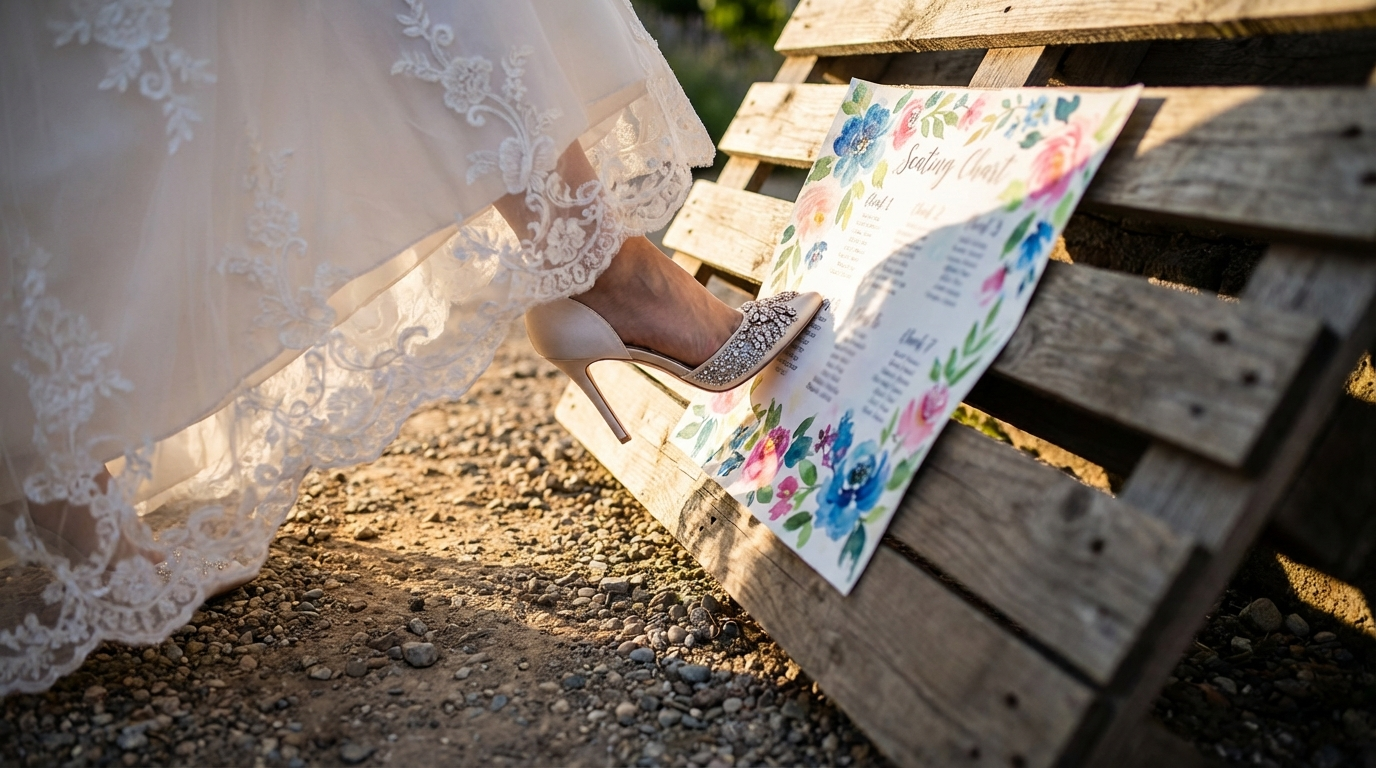
While functionality is paramount, the aesthetics of your wedding seating chart board also play a significant role in creating a positive impression. A poorly designed board that clashes with your wedding décor can be jarring and detract from the overall ambiance. Consider the color scheme, font style, and overall design of your seating chart board to ensure that it complements your wedding theme and adds to the visual appeal of the reception area.
Whether you opt for a rustic chalkboard design, a modern acrylic display, or a classic framed print, make sure the seating chart board reflects your personal style and enhances the overall aesthetic of your wedding. Pay attention to details such as the size and placement of the board, the materials used, and any decorative elements that you incorporate. A well-designed seating chart board not only serves a practical purpose but also adds a touch of elegance and sophistication to your wedding reception.
Elegant Calligraphy
- Adds a touch of sophistication
- Can be difficult to read
- Best suited for smaller weddings
Modern Acrylic Display
- Sleek and contemporary look
- Easy to read and update
- Suitable for larger weddings
Last-Minute Scrambles: Lack of Preparation
Waiting until the last minute to create your wedding seating chart board is a recipe for disaster. Rushing the process can lead to errors, omissions, and a poorly designed board that fails to meet your expectations. Start planning your seating chart well in advance of your wedding day to allow ample time for revisions, proofreading, and design adjustments.
Begin by gathering information about your guests, including their relationships, personalities, and any special needs or preferences. Use this information to create a preliminary seating arrangement that you can then refine and adjust as needed. Consider using a seating chart tool like SeatingChartCreator.com to streamline the process and make it easier to visualize and manage your table assignments. By taking the time to plan and prepare your seating chart board in advance, you can avoid unnecessary stress and ensure that your guests have a comfortable and enjoyable experience.
Design Your Perfect Seating Chart
Free drag-and-drop seating chart creator for weddings, events, and venues. Export professional PDFs in minutes.
Create Free Seating ChartBefore You Start
- Finalize your guest list and gather RSVPs.
- Determine your table layout and seating capacity.
- Consider the relationships and personalities of your guests.
- Use a seating chart tool to visualize and manage your table assignments.
Ignoring Special Needs and Requests
Failing to consider the special needs and requests of your guests is a significant oversight that can lead to discomfort and resentment. Some guests may have mobility issues that require them to be seated near the entrance or restrooms, while others may have dietary restrictions or allergies that need to be accommodated. Ignoring these needs can make your guests feel overlooked and unimportant, which can detract from their overall experience.
When creating your wedding seating chart board, make sure to take into account any special requests or accommodations that your guests have communicated. Seat guests with mobility issues in accessible locations, and inform the catering staff of any dietary restrictions or allergies. By showing your guests that you care about their well-being and are willing to go the extra mile to make them comfortable, you can create a welcoming and inclusive atmosphere that enhances their enjoyment of your wedding.
Expert Tips for a Flawless Seating Chart Board
Creating a perfect wedding seating chart board requires careful planning, attention to detail, and a genuine desire to make your guests feel comfortable and welcome. Here are some expert tips to help you create a flawless seating chart board that enhances the overall experience of your wedding reception:
- Consider the flow of the room: Position the seating chart board in a location that is easily accessible and doesn't obstruct the flow of traffic.
- Use clear and concise language: Avoid using jargon or abbreviations that your guests might not understand.
- Provide assistance: Have a designated person available to assist guests in finding their names and table assignments.
- Embrace technology: Use a seating chart tool like SeatingChartCreator.com to simplify the process and create a visually appealing seating chart board. You can even link it to a QR code for a touchless experience!
By following these tips and avoiding the common mistakes outlined above, you can create a wedding seating chart board that is both functional and aesthetically pleasing, ensuring that your guests have a comfortable and enjoyable experience.
Frequently Asked Questions
The most effective way to organize your wedding seating chart board is by table number. List the table numbers in numerical order, and then list the guests seated at each table alphabetically. This method allows guests to quickly locate their table assignment without having to scan through a long list of names.
Get Event Planning Tips
Weekly tips on seating arrangements, event layouts, and planning strategies.
SeatingChart Team
Our team of event planning experts is dedicated to helping you create unforgettable events with perfect seating arrangements.
Ready to Create Your Seating Chart?
Start planning your perfect event layout with our free drag-and-drop seating chart creator. No sign-up required to try it out!
Try Free Seating Chart Creator