Creating a successful floor plan for an event can feel like navigating a maze. For years, I relied on spreadsheets, wrestling with cells and formulas to map out seating arrangements. It was a tedious, error-prone process that often left me stressed and behind schedule. But then I discovered a better way – a free, intuitive online tool that transformed how I approach event planning. If you're still stuck using outdated methods like Excel, prepare to be amazed. There's a simpler, more efficient solution that will save you time, reduce errors, and help you create the perfect event layout.
Key Takeaways
- Traditional methods like Excel are inefficient for creating event floor plans.
- Modern, free online tools provide intuitive drag-and-drop interfaces for easy layout design.
- Effective floor plans optimize space, enhance guest experience, and improve event flow.
- Careful consideration of table types, seating arrangements, and accessibility is crucial.
- Using a dedicated seating chart tool streamlines the planning process and reduces errors.
Why Excel Falls Short for Event Floor Plans
Let's be honest, Excel is a powerful tool for data analysis, but it's not designed for visual layout design. Using it to create a floor plan for your event is like using a hammer to screw in a nail – you might get the job done, but it's going to be messy and inefficient. One of the biggest problems is the lack of visual representation. You're essentially working with abstract numbers and cell references instead of a clear, graphical layout. This makes it difficult to visualize the space and how guests will interact within it.
Another major drawback is the amount of manual work involved. You have to manually input all the dimensions, calculate spacing, and adjust table positions. This is incredibly time-consuming, especially for larger events with complex layouts. And let's not forget about the potential for errors. One wrong number in a formula can throw off the entire plan, leading to logistical nightmares on the day of the event.
Collaboration is also a challenge with Excel. Sharing and editing spreadsheets can lead to version control issues and confusion. Multiple people working on the same document can easily overwrite each other's changes, resulting in lost data and wasted effort. Overall, while Excel can technically be used for creating event floor plans, it's far from ideal. It's a clunky, inefficient, and error-prone method that's simply not worth the hassle when better options are available.
Introducing the Modern Solution: Online Seating Chart Tools
Thankfully, the days of struggling with Excel are over. Modern online seating chart tools like SeatingChartCreator.com offer a much more efficient and intuitive way to design your floor plan for an event. These tools are specifically designed for event planning, with features that streamline the entire process. One of the biggest advantages is the drag-and-drop interface. You can easily add tables, chairs, and other elements to your layout and move them around with a simple click and drag. This makes it incredibly easy to visualize the space and experiment with different arrangements.
Design Your Perfect Seating Chart
Free drag-and-drop seating chart creator for weddings, events, and venues. Export professional PDFs in minutes.
Create Free Seating ChartAnother key benefit is the built-in functionality for managing guest lists and seating assignments. You can easily import your guest list, assign guests to tables, and track RSVPs. This eliminates the need for manual spreadsheets and reduces the risk of errors. These tools also offer advanced features like 3D views, which allow you to see your layout from different perspectives and get a better sense of the overall space. They also often include collaboration features, allowing multiple people to work on the same plan simultaneously.
Perhaps the best part is that many of these tools, including SeatingChartCreator.com, are completely free to use. This means you can access powerful event planning features without spending a dime. By making the switch to an online seating chart tool, you can save time, reduce errors, and create a more professional and polished event floor plan.
Key Elements of an Effective Event Floor Plan
Creating a floor plan for an event is more than just arranging tables and chairs. It's about creating a functional and inviting space that enhances the guest experience. A well-designed floor plan optimizes the flow of traffic, ensures that guests have comfortable seating, and creates a visually appealing atmosphere. One of the most important elements is space planning. You need to ensure that there's enough room for guests to move around freely, without feeling cramped or crowded. This includes considering the width of aisles, the spacing between tables, and the location of key areas like the dance floor, buffet tables, and bar.
Another critical element is seating arrangements. You need to think about how guests will interact with each other and create seating arrangements that encourage conversation and mingling. This might involve mixing different table sizes and shapes, or grouping guests with similar interests together. Accessibility is also a key consideration. You need to ensure that your floor plan is accessible to all guests, including those with disabilities. This means providing ramps, wide aisles, and accessible restrooms.
Finally, don't forget about the aesthetic appeal of your floor plan. Consider the overall style and theme of your event and choose furniture, decorations, and lighting that complement the space. A well-designed floor plan should not only be functional but also visually appealing, creating a welcoming and memorable atmosphere for your guests.
Step-by-Step Guide to Creating Your Event Floor Plan
Ready to create your own floor plan for an event? Here's a step-by-step guide to help you get started:
Gather Your Information
Before you start designing your floor plan, you'll need to gather some key information. This includes the dimensions of your venue, the number of guests you're expecting, and any specific requirements or preferences you have. Make sure you have accurate measurements of the room and any fixed elements like doors, windows, and pillars.
Choose Your Table Types
Decide what types of tables you'll be using for your event. Common options include round tables, rectangular tables, and cocktail tables. Consider the size of your tables and how many guests you can comfortably seat at each one. For example, a standard 60-inch round table can typically seat 8-10 guests.
Map Out Your Layout
Using an online seating chart tool like SeatingChartCreator.com, start mapping out your layout. Add tables, chairs, and other elements to your plan and arrange them according to your preferences. Pay attention to spacing and ensure that there's enough room for guests to move around freely.
Assign Guests to Tables
Once you've finalized your layout, it's time to start assigning guests to tables. Consider the relationships between your guests and try to group people together who know each other or have similar interests. Use the seating chart tool's guest management features to easily assign guests to tables and track RSVPs.
Review and Revise
After you've assigned all your guests, take some time to review your floor plan and make any necessary revisions. Ask for feedback from others and make sure that your layout meets all your requirements. Once you're satisfied with your plan, you can export it and share it with your venue and other vendors.
Optimizing Space and Flow in Your Event Floor Plan
A well-optimized floor plan for an event not only looks good but also functions efficiently. Space optimization ensures that you're maximizing the use of your venue while maintaining a comfortable and safe environment for your guests. Start by identifying key areas within your venue, such as the entrance, dance floor, bar, buffet tables, and restrooms. Position these areas strategically to minimize congestion and ensure that guests can easily access them. Consider the flow of traffic and how guests will move between different areas of the venue. Create clear pathways and avoid creating bottlenecks.
Another important aspect of space optimization is table placement. Position tables in a way that allows for easy conversation and mingling. Avoid placing tables too close together, as this can make guests feel cramped and uncomfortable. Consider using different table sizes and shapes to create visual interest and break up the monotony of the room. For example, you might use round tables for the main seating area and rectangular tables for the head table or buffet tables.
Finally, don't forget about the importance of lighting and decor. Use lighting to highlight key areas of the venue and create a warm and inviting atmosphere. Choose decorations that complement the overall style and theme of your event and don't overcrowd the space. A well-optimized floor plan is one that strikes a balance between functionality, comfort, and aesthetics.
Choosing the Right Table Types for Your Event
The type of tables you choose for your floor plan for an event can significantly impact the overall look and feel of your space. Round tables are a classic choice for weddings and formal events. They promote conversation and create a sense of intimacy. Rectangular tables are a more modern option and can be a good choice for larger events where you need to maximize space.
Cocktail tables are perfect for cocktail receptions and mingling events. They provide a place for guests to set down their drinks and appetizers while they socialize. Banquet tables are a versatile option that can be used for a variety of purposes, such as buffet tables, head tables, or display tables. When choosing table types, consider the style of your event, the number of guests you're expecting, and the overall layout of your venue. It's also important to think about the linens, centerpieces, and other decorations you'll be using, as these can also impact the overall look of your tables.
Examples of Effective Event Floor Plans
Sometimes, the best way to understand how to create a great floor plan for an event is to look at some examples. Let's compare two common table arrangement styles:
Formal Wedding Reception
- Round tables arranged to maximize conversation.
- Spacious dance floor in the center.
- Head table positioned for optimal visibility.
- Elegant decor and soft lighting.
Corporate Conference
- Rectangular tables arranged in rows for presentations.
- Clear aisleways for easy access.
- Stage or podium at the front of the room.
- Professional lighting and audio equipment.
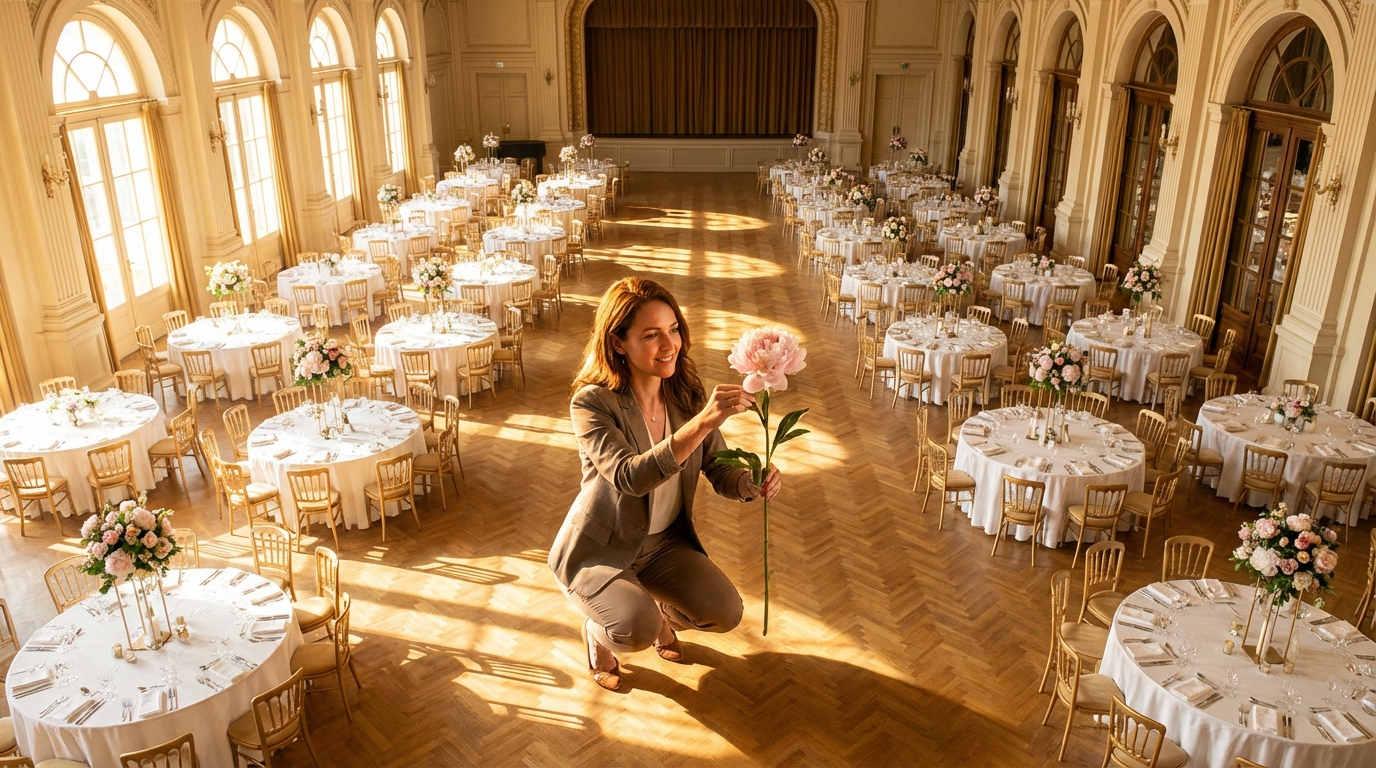
In the formal wedding reception, the focus is on creating a romantic and intimate atmosphere. Round tables encourage conversation and mingling, while the spacious dance floor provides plenty of room for guests to celebrate. The head table is positioned so that the wedding party can be easily seen by all guests. In contrast, the corporate conference is designed for functionality and productivity. Rectangular tables arranged in rows allow attendees to easily see the speaker and take notes. Clear aisleways ensure that everyone can easily access their seats.
Common Mistakes to Avoid When Planning Your Event Layout
Planning a floor plan for an event can be tricky, and it's easy to make mistakes. Here are a few common pitfalls to avoid:
Another common mistake is neglecting accessibility. Make sure that your floor plan is accessible to all guests, including those with disabilities. This means providing ramps, wide aisles, and accessible restrooms. Also, be sure to factor in the placement of essential services like restrooms and catering stations. These should be easily accessible from all areas of the venue.
Expert Tips for Creating a Memorable Event Experience
Creating a truly memorable floor plan for an event involves more than just arranging tables and chairs. It's about creating an experience that your guests will remember for years to come. One way to do this is to personalize the space to reflect your brand or the theme of your event. This might involve incorporating custom signage, using branded linens, or displaying company logos.
Another tip is to create focal points within the venue. This could be a stunning centerpiece, a custom backdrop, or a unique lighting installation. Focal points draw the eye and create a sense of visual interest. Also, don't be afraid to think outside the box and try something different. Consider using unconventional seating arrangements, incorporating interactive elements, or creating a unique atmosphere with lighting and sound.
Ultimately, the goal is to create an event that is both visually appealing and functionally efficient. By paying attention to detail and thinking creatively, you can create a floor plan that will impress your guests and leave a lasting impression. And remember, tools like SeatingChartCreator.com are here to help simplify the process and bring your vision to life.
Frequently Asked Questions
Ideally, tables should be spaced at least 3 feet apart to allow guests to move comfortably between them. For events with servers, consider increasing the spacing to 4-5 feet to accommodate their movement.
Get Event Planning Tips
Weekly tips on seating arrangements, event layouts, and planning strategies.
SeatingChart Team
Our team of event planning experts is dedicated to helping you create unforgettable events with perfect seating arrangements.
Ready to Create Your Seating Chart?
Start planning your perfect event layout with our free drag-and-drop seating chart creator. No sign-up required to try it out!
Try Free Seating Chart Creator