Why Your dinner party seating etiquette Is Failing (And How to Fix It)
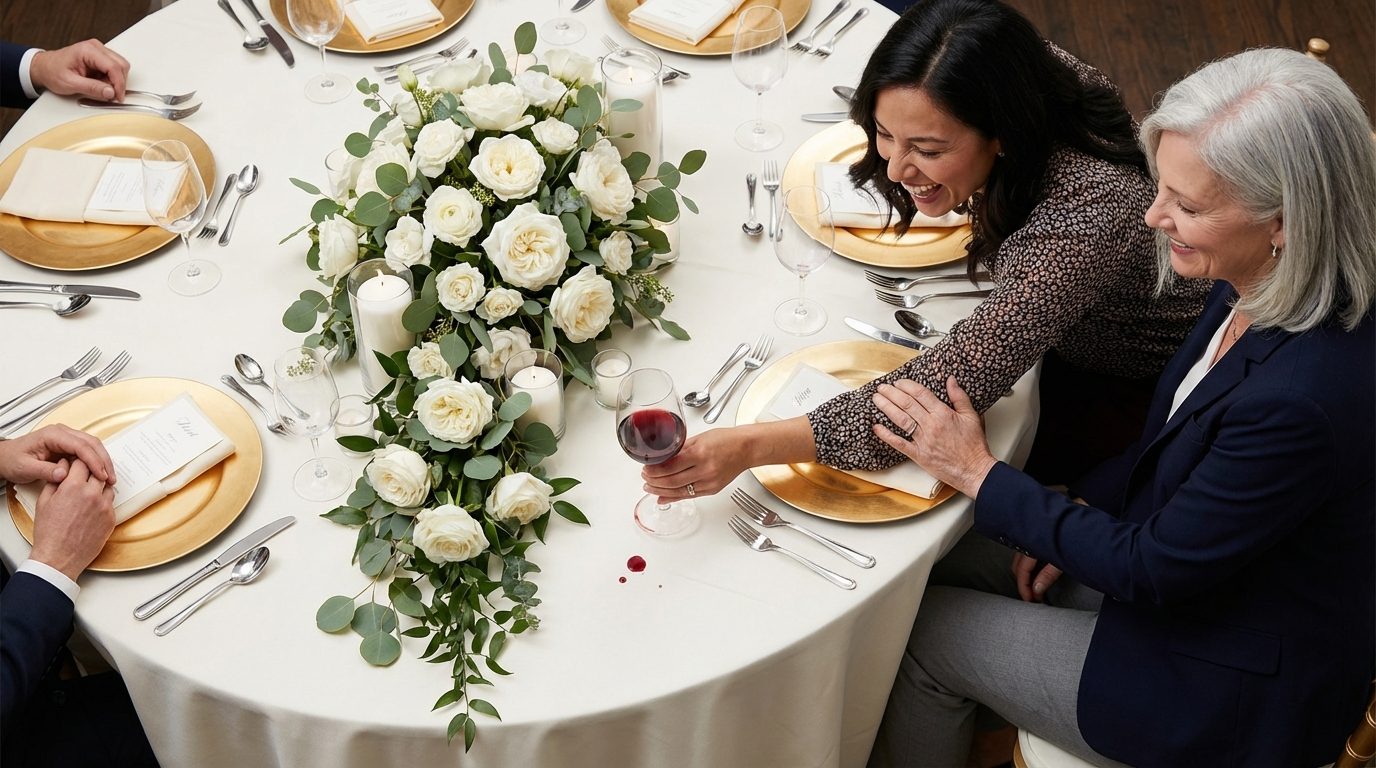
Hosting a dinner party can be a delightful experience, a chance to gather friends and family for an evening of good food and conversation. But beyond the menu and the ambiance, one crucial element often gets overlooked: dinner party seating etiquette. A well-planned seating arrangement can make or break the evening, fostering connection and ensuring everyone feels comfortable and included. Get it wrong, and your guests might end up feeling awkward or ignored. In this guide, we'll cover everything you need to know to master the art of dinner party seating, from the basic rules to creative strategies, so you can host a memorable and enjoyable event.
Key Takeaways
- Strategic seating arrangements can significantly enhance guest experience and conversation flow.
- Consider guest personalities, relationships, and interests when planning your seating chart.
- Balance traditional etiquette with modern, relaxed approaches to create a comfortable atmosphere.
- Use online tools like SeatingChartCreator.com to simplify the planning process and visualize your table arrangement.
Why Does Dinner Party Seating Etiquette Matter?
You might think that simply scattering guests around a table is good enough, but thoughtful dinner party seating etiquette goes far beyond that. It's about creating an environment where everyone feels welcome, engaged, and able to participate in stimulating conversation. The right seating arrangement can spark new friendships, rekindle old ones, and even prevent awkward silences. Conversely, a poorly planned seating chart can lead to isolation, boredom, and an overall negative experience for your guests. Think of it as the silent architect of your dinner party's success.
Design Your Perfect Seating Chart
Free drag-and-drop seating chart creator for weddings, events, and venues. Export professional PDFs in minutes.
Create Free Seating ChartConsider this: placing two shy individuals next to each other might result in a quiet corner, while pairing a boisterous guest with someone more reserved could lead to discomfort. By carefully considering your guests' personalities, interests, and relationships, you can create a dynamic and engaging atmosphere. A well-thought-out table arrangement also demonstrates that you care about your guests' comfort and enjoyment, adding a layer of thoughtfulness to your hosting.
The Core Principles of Dinner Party Seating
Before diving into specific strategies, let's establish the core principles of effective dinner party seating etiquette. These foundational rules will guide your decision-making process and help you create a seating chart that promotes positive interactions:
- Mix and Mingle: Avoid seating couples next to each other. While they may enjoy each other's company, the goal of a dinner party is to encourage interaction with other guests. Separate couples to foster new connections and broaden the conversation.
- Balance Personalities: Consider the personalities of your guests. Pair outgoing individuals with those who are more reserved to encourage participation from everyone. Avoid placing two dominant personalities next to each other, as this could lead to conversational clashes.
- Consider Interests: Seat guests with shared interests near each other. This provides an easy conversation starter and helps them find common ground. Think about their hobbies, professions, or recent experiences when making your seating decisions.
- Honor Your Guests: Show respect for your guests by placing VIPs (e.g., older relatives, guests of honor) in prominent positions, such as near the host or at the head of the table.
- Be Mindful of Dietary Needs and Mobility: Ensure guests with dietary restrictions are seated near the host, so they can easily inquire about dishes. Also, consider mobility issues when assigning seats, placing guests with limited mobility closer to restrooms or exits.
How to Create a Dinner Party Seating Chart: A Step-by-Step Guide
Creating a dinner party seating plan doesn't have to be a daunting task. By following a structured approach, you can streamline the process and ensure a thoughtful and effective arrangement. Here's a step-by-step guide to help you create the perfect seating chart:
Compile Your Guest List
Start by creating a comprehensive guest list, including any relevant information about their personalities, interests, and relationships. Note any dietary restrictions or mobility issues. This information will be crucial when making your seating decisions.
Sketch Your Table Layout
Draw a rough sketch of your dining table, noting the number of seats and the overall shape (round, rectangular, oval, etc.). Consider the space available and the flow of traffic around the table. This visual representation will help you visualize the seating arrangement.
Brainstorm Potential Pairings
Based on your guest list and table layout, start brainstorming potential pairings. Consider who might enjoy each other's company, who shares common interests, and who could benefit from meeting someone new. Don't be afraid to experiment with different combinations.
Use a Seating Chart Tool
Utilize a tool like SeatingChartCreator.com to create a digital seating chart. This allows you to easily drag and drop guests, experiment with different arrangements, and visualize the final result. Plus, you can easily make changes as needed. It's a free and user-friendly way to manage your table arrangement.
Finalize and Review
Once you're satisfied with the arrangement, take a step back and review your seating chart. Ask yourself if the arrangement promotes conversation, inclusivity, and comfort for all guests. Make any necessary adjustments before finalizing the plan.
Before You Start
- Confirm your final guest list.
- Determine your table shape and size.
- Gather information about guest personalities and interests.
Seating Strategies for Different Table Shapes
The shape of your dining table can significantly impact the dynamics of your dinner party. Different table shapes lend themselves to different seating arrangements and conversational flows. Here’s how to approach dinner party seating etiquette based on common table shapes:
Round Tables
Round tables are ideal for fostering conversation, as everyone can easily see and interact with each other. When seating guests at a round table, consider the following:
- Mix personalities: Ensure a balance of outgoing and reserved guests to encourage participation from everyone.
- Spread out couples: Avoid seating couples directly next to each other.
- Consider sightlines: Be mindful of sightlines and ensure everyone has a clear view of the other guests.
Rectangular Tables
Rectangular tables are more formal and can be challenging for conversation, especially with a large number of guests. Here are some tips for seating guests at a rectangular table:
- Strategic placement: Place engaging conversationalists strategically throughout the table to spark and maintain conversation.
- Consider proximity: Seat guests with shared interests near each other to facilitate natural conversation.
- Avoid long gaps: Ensure there are no large gaps between groups of guests, which can create awkward silences.
Oval Tables
Oval tables offer a good compromise between round and rectangular tables, providing a more intimate setting than rectangular tables while still accommodating a larger number of guests. The seating strategies are similar to those for rectangular tables, but with a slightly improved conversational flow.
Tips for Dealing with Difficult Guests
Sometimes, despite your best efforts, you may have guests who are difficult to seat or prone to causing disruptions. Here are some tips for dealing with challenging situations when planning your dinner party seating etiquette:
- The "Chatty Cathy": Seat her next to someone who is a good listener and can handle her exuberance without being overwhelmed.
- The Debater: Avoid seating him next to someone with strong opposing views. Instead, place him near someone who is diplomatic and can steer the conversation towards neutral topics.
- The Wallflower: Seat this guest next to someone who is friendly and outgoing and can draw them into the conversation.
- The "Know-It-All": Position him next to someone who isn't easily intimidated and can gently challenge his assertions or change the subject when necessary.
Remember, the goal is to create a pleasant experience for everyone. By carefully considering the personalities and potential challenges of your guests, you can minimize disruptions and ensure a smooth and enjoyable dinner party. You can use Create Your Seating Chart to visualize the placement of each guest.
Creative Seating Arrangements Beyond the Traditional
While traditional dinner party seating etiquette provides a solid foundation, don't be afraid to get creative and experiment with different arrangements. Here are some ideas to add a unique touch to your next dinner party:
- Theme-Based Seating: Align seating based on a specific theme. For example, for a travel-themed dinner, seat guests based on the countries they've visited or plan to visit.
- Interest-Based Grouping: Create smaller groups based on shared interests, such as book clubs, sports enthusiasts, or foodies.
- Rotating Seating: For a more interactive experience, consider rotating seating between courses, allowing guests to interact with different people throughout the evening.
- Interactive Place Cards: Use place cards that include a conversation starter or a fun fact about the guest, encouraging interaction and breaking the ice.
By thinking outside the box and incorporating creative elements, you can transform your dinner party into a truly memorable and engaging event. The key is to tailor the arrangement to your guests and the overall atmosphere you want to create.
Examples of Good and Bad Seating Arrangements
To further illustrate the importance of dinner party seating etiquette, let's look at some examples of good and bad seating arrangements:
Good Seating Arrangement
- Mixes personalities and interests.
- Separates couples to encourage new connections.
- Places engaging conversationalists strategically.
- Considers dietary needs and mobility issues.
Bad Seating Arrangement
- Seats couples next to each other.
- Groups shy individuals together.
- Places clashing personalities near each other.
- Ignores dietary needs or mobility limitations.
A good seating arrangement fosters inclusivity, encourages conversation, and ensures everyone feels comfortable and engaged. A bad seating arrangement, on the other hand, can lead to isolation, awkward silences, and an overall negative experience.
Imagine a scenario where you seat two competitive individuals next to each other. They might spend the entire evening trying to one-up each other, dominating the conversation and making other guests feel excluded. In contrast, if you seat one of those competitive individuals next to someone who is more laid-back and diplomatic, the conversation is more likely to be balanced and engaging for everyone.
Common Dinner Party Seating Mistakes to Avoid
Even with careful planning, it's easy to make mistakes when arranging your dinner party seating plan. Here are some common pitfalls to avoid:
- Ignoring Guest Personalities: Failing to consider the personalities and interests of your guests is a recipe for disaster. Take the time to get to know your guests and think about how they might interact with each other.
- Forcing Connections: Trying to force connections between guests who have nothing in common can lead to awkward and uncomfortable situations. Let connections develop naturally.
- Overlooking Dietary Restrictions: Forgetting to accommodate dietary restrictions is a major faux pas. Always ask your guests about any dietary needs or allergies in advance.
- Neglecting Mobility Issues: Failing to consider mobility issues can make it difficult for some guests to navigate the dining area. Ensure that guests with limited mobility are seated in accessible locations.
- Last-Minute Changes: Making last-minute changes to the seating chart can disrupt the flow of the dinner party and create confusion. Stick to your plan as much as possible.
Expert Tips for Mastering Dinner Party Seating Etiquette
To truly master the art of dinner party seating etiquette, consider these expert tips:
- Plan Ahead: Don't wait until the last minute to create your seating chart. Start planning well in advance to give yourself plenty of time to consider all the factors involved.
- Seek Input: Don't be afraid to ask for input from your guests. You can discreetly inquire about their preferences or ask for suggestions on who they might enjoy sitting next to.
- Be Flexible: While it's important to have a plan, be prepared to make adjustments as needed. Sometimes, unexpected circumstances arise, and you may need to rearrange the seating chart on the fly.
- Observe and Adapt: Pay attention to the dynamics of the dinner party and be prepared to adapt your seating strategy if necessary. If you notice that certain guests are not interacting well, consider subtly rearranging the seating during a break.
Effective table arrangement is more than just assigning seats; it's about curating an experience. By following these expert tips, you can create a dinner party that is not only enjoyable but also memorable for all your guests.
Frequently Asked Questions
The most important rule is to consider your guests' personalities and interests when creating your seating chart. The goal is to create an environment where everyone feels comfortable, engaged, and able to participate in stimulating conversation. Mixing personalities and separating couples are also key considerations.
Get Event Planning Tips
Weekly tips on seating arrangements, event layouts, and planning strategies.
SeatingChart Team
Our team of event planning experts is dedicated to helping you create unforgettable events with perfect seating arrangements.
Ready to Create Your Seating Chart?
Start planning your perfect event layout with our free drag-and-drop seating chart creator. No sign-up required to try it out!
Try Free Seating Chart Creator