Banquet Style Seating: The Visual Guide You've Been Searching For
Banquet Style Seating: The Visual Guide You've Been Searching For
Planning an event? Figuring out the best seating arrangement is crucial.
And if you're considering a classic, versatile option, banquet style seating might be perfect.
Banquet seating isn't just about rows of tables. It's about creating an atmosphere. It's about maximizing space. And it's about ensuring your guests have a comfortable and enjoyable experience.
In this visual guide, we'll break down everything you need to know about banquet style seating. We'll cover the different layouts, the pros and cons, and how to plan your table arrangement like a pro.
Ready to dive in and master the art of banquet seating? Let's get started!
What Exactly is Banquet Style Seating?
At its core, banquet style seating refers to arranging tables in long rows to accommodate a large number of guests. Think of it like a classic wedding reception or a corporate gala. But it's more than just shoving tables together!
It's about efficiency and creating a sense of community. The long tables encourage conversation and interaction among your guests. This makes it ideal for events where you want people to mingle and connect.
Here's a breakdown of the key characteristics:
- Long, Rectangular Tables: The foundation of banquet seating.
- Rows or Formations: Tables are typically arranged in rows, but can also be configured in U-shapes, E-shapes, or even circular formations.
- Close Proximity: Guests are seated close together, fostering a sense of togetherness.
- Formal or Informal: Banquet seating can be dressed up or down depending on the event's tone and decor.
Banquet style seating is often seen as a traditional choice, but it remains popular for a reason: it's practical and adaptable. It can work for various events, from weddings and corporate events to conferences and award ceremonies.
Consider the overall vibe you're aiming for. Do you want a formal, elegant affair? Or a more relaxed and casual gathering? Your choice of linens, centerpieces, and tableware will all contribute to the overall impression.
The Benefits and Drawbacks of Banquet Seating
Like any seating arrangement, banquet style seating has its advantages and disadvantages. Understanding these can help you determine if it's the right choice for your event.
The Pros:
- Maximizes Space: Banquet seating is excellent for accommodating a large number of guests in a limited space. Think of a long, narrow room. Banquet tables can efficiently fill that space.
- Encourages Interaction: The close proximity of guests promotes conversation and mingling. This is great for events where you want to foster a sense of community.
- Cost-Effective: Often, renting long tables is more cost-effective than renting individual round tables.
- Versatile: Banquet seating can be adapted to various event styles, from formal to informal.
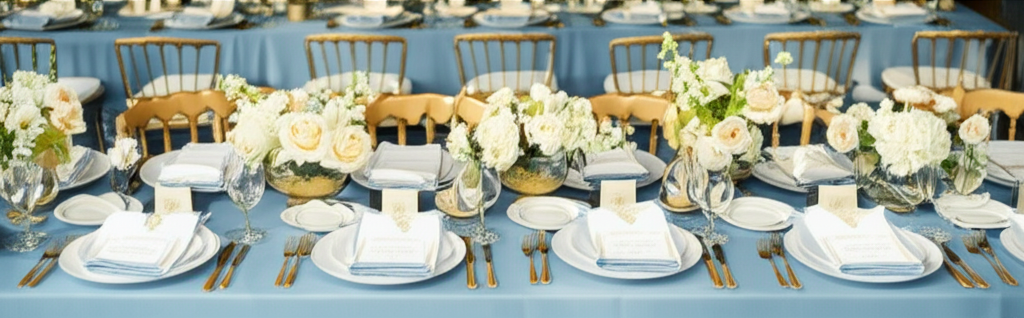
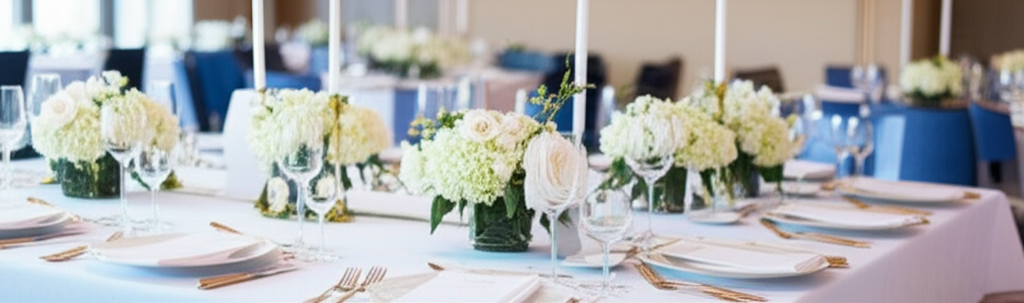
- Easy to Decorate: Long tables provide a blank canvas for creating stunning centerpieces and table settings.
The Cons:
- Limited Legroom: Depending on the table width and the number of chairs, legroom can sometimes be an issue.
- Potential for Noise: With many people seated close together, the noise level can be high. Consider acoustics and sound dampening measures.
- Accessibility Issues: It may be challenging for guests with mobility issues to navigate long rows of tables. Ensure you have accessible seating options available.
- Can Feel Impersonal: In very large rooms, banquet seating can sometimes feel impersonal. Consider breaking up the space with strategic decor or different table configurations.
- Centerpiece Obstruction: Tall centerpieces can obstruct views across the table, hindering conversation. Choose centerpiece heights carefully.
Ultimately, the decision of whether or not to use banquet style seating depends on your specific needs and priorities. Weigh the pros and cons carefully before making a decision.
Think about your guest list, the venue size, and the overall atmosphere you want to create. All of these factors will influence your choice.
Different Banquet Seating Layouts to Consider
Banquet style seating isn't a one-size-fits-all solution. There are several different layouts you can choose from, each with its own unique advantages.
Straight Rows:
This is the most common and straightforward banquet seating layout. Tables are arranged in long, straight rows, typically with chairs on both sides.
This layout is ideal for maximizing space and accommodating a large number of guests. It's often used in large halls or ballrooms.
U-Shape:
Tables are arranged in a U-shape, with the open end facing the stage or focal point. This layout is great for presentations, conferences, or events where you want to encourage audience participation.
E-Shape:
Similar to the U-shape, but with an additional row of tables extending from the middle of the "U." This creates an "E" shape and allows for even more seating.
Hollow Square:
Tables are arranged in a square or rectangle, with an open space in the center. This layout is often used for board meetings or smaller conferences.
Herringbone:
Tables are arranged at an angle to each other, creating a herringbone pattern. This layout can add visual interest and break up the monotony of straight rows.
Circular:
While less common, banquet tables can be arranged in a large circle, with guests seated around the perimeter. This layout is ideal for fostering a sense of intimacy and encouraging conversation.
When choosing a banquet seating layout, consider the size and shape of your venue, the number of guests, and the purpose of your event. Experiment with different layouts using a tool like SeatingChartCreator.com to visualize the space and see what works best.
Design Your Perfect Seating Chart
Free drag-and-drop seating chart creator for weddings, events, and venues. Export professional PDFs in minutes.
Create Free Seating ChartDon't be afraid to get creative and customize the layout to suit your specific needs! Consider the flow of traffic, the placement of the stage or focal point, and the overall aesthetic you want to achieve.
How to Plan Your Banquet Seating Arrangement Step-by-Step
Planning a banquet seating arrangement can seem daunting, but it doesn't have to be. Here's a step-by-step guide to help you through the process:
- Determine Your Guest Count: This is the first and most crucial step. Knowing how many guests you need to accommodate will dictate the size and layout of your seating plan.
- Assess Your Venue: Measure the dimensions of your venue and note any obstacles, such as pillars, doorways, or stage areas. This will help you determine the maximum number of tables you can fit comfortably.
- Choose Your Layout: Based on your guest count and venue size, select the most appropriate banquet seating layout. Consider the pros and cons of each layout and how it will impact the flow of your event.
- Create a Seating Chart: Use a tool like SeatingChartCreator.com to create a visual representation of your seating arrangement. This will allow you to experiment with different table placements and arrangements.
- Assign Guests to Tables: This is where the real fun begins! Consider your guests' personalities, relationships, and interests when assigning them to tables. Aim to create a mix of people who will enjoy each other's company.
- Consider Accessibility: Ensure you have accessible seating options available for guests with mobility issues. Place these tables near entrances and exits for easy access.
- Finalize and Communicate: Once you're happy with your seating chart, finalize it and communicate it to your guests. You can display the chart at the entrance to the venue or provide individual place cards at each table.
Remember to be flexible and adaptable throughout the planning process. Things may change as you get closer to the event date, so be prepared to make adjustments as needed.
And don't be afraid to ask for help! Consult with your venue staff or event planner for advice and guidance.
Essential Tips for Comfortable Banquet Seating
Comfort is key to ensuring your guests have a positive experience. Here are some essential tips for creating comfortable banquet seating:
- Adequate Legroom: Ensure there is enough legroom between tables and chairs. A general rule of thumb is to allow at least 30 inches of space per person.
- Comfortable Chairs: Invest in comfortable chairs with adequate back support. Consider padded chairs for added comfort.
- Table Width: Choose tables that are wide enough to accommodate place settings, centerpieces, and serving dishes without feeling cramped.
- Temperature Control: Ensure the venue is adequately heated or cooled to maintain a comfortable temperature for your guests.
- Proper Lighting: Provide adequate lighting to allow guests to see their food and interact with each other comfortably.
- Noise Control: Consider sound dampening measures to minimize noise levels, especially in large venues.
- Accessibility: Provide accessible seating options for guests with mobility issues, including wheelchair-accessible tables and ramps.
By paying attention to these details, you can create a banquet seating arrangement that is not only functional but also comfortable and enjoyable for your guests.
Remember, a comfortable guest is a happy guest! And happy guests are more likely to have a memorable and positive experience at your event.
Creative Ideas to Elevate Your Banquet Table Arrangement
Banquet style seating doesn't have to be boring! Here are some creative ideas to elevate your table arrangement and add a touch of personality to your event:
- Unique Centerpieces: Go beyond traditional floral arrangements and consider unique centerpieces that reflect your event's theme or style. Think candles, lanterns, sculptures, or even edible displays.
- Themed Table Settings: Create themed table settings that complement your event's overall theme. Use different colors, patterns, and textures to add visual interest.
- Personalized Place Cards: Add a personal touch with personalized place cards. Consider using handwritten calligraphy or incorporating a small gift or favor.
- Creative Linens: Experiment with different linens to add color, texture, and visual interest to your tables. Consider using patterned tablecloths, runners, or napkins.
- Lighting Effects: Use lighting effects to create a dramatic and inviting atmosphere. Consider uplighting, spotlights, or string lights.
- Interactive Elements: Incorporate interactive elements into your table arrangement, such as small games, puzzles, or conversation starters.
- Mix and Match: Don't be afraid to mix and match different styles and elements to create a unique and eclectic look.
The key is to be creative and have fun! Let your personality shine through and create a table arrangement that reflects your unique style and vision.
Think outside the box and don't be afraid to experiment with different ideas. The more creative you are, the more memorable your event will be.
Examples of Stunning Banquet Seating Setups
Need some inspiration? Here are a few examples of stunning banquet seating setups that will leave your guests in awe:
Example 1: The Rustic Romance
Long wooden tables adorned with burlap runners, mason jar centerpieces filled with wildflowers, and strings of fairy lights overhead. This setup is perfect for a rustic wedding or outdoor event.
Example 2: The Modern Minimalist
Sleek white tables with minimalist centerpieces, such as single stems of orchids or geometric sculptures. Clean lines, neutral colors, and a focus on simplicity create a modern and elegant look.
Example 3: The Glamorous Gala
Tables draped in shimmering fabrics, crystal chandeliers overhead, and tall, opulent centerpieces featuring roses, hydrangeas, and candles. This setup is perfect for a formal gala or awards ceremony.
Example 4: The Bohemian Chic
Mismatched vintage tables and chairs, colorful textiles, and eclectic centerpieces featuring feathers, beads, and succulents. This setup is perfect for a bohemian wedding or free-spirited event.
Example 5: The Corporate Conference
Professional and functional tables with clean lines, comfortable chairs, and ample space for laptops and notebooks. This setup is perfect for a corporate conference or business meeting.
These are just a few examples to get you started. The possibilities are endless! Use these as inspiration and adapt them to suit your own unique style and event.
Remember to consider your event's theme, your budget, and your personal preferences when choosing a banquet seating setup.
Common Mistakes to Avoid When Planning Banquet Seating
Planning banquet style seating can be tricky, and it's easy to make mistakes. Here are some common pitfalls to avoid:
- Not Considering Guest Count: Failing to accurately estimate your guest count can lead to overcrowding or empty tables.
- Ignoring Venue Dimensions: Not measuring your venue properly can result in tables that don't fit or a cramped layout.
- Poor Table Spacing: Insufficient spacing between tables can make it difficult for guests to move around and can create a feeling of claustrophobia.
- Neglecting Accessibility: Forgetting to provide accessible seating options for guests with mobility issues is a major oversight.
- Overcrowded Tables: Cramming too many guests around a table can make it uncomfortable and difficult to eat or converse.
- Obstructing Views: Tall centerpieces or poorly placed tables can obstruct views of the stage or focal point.
- Ignoring Acoustics: Failing to address the acoustics of the venue can lead to excessive noise levels and difficulty hearing conversations.
By avoiding these common mistakes, you can ensure that your banquet seating arrangement is both functional and enjoyable for your guests.
Take the time to plan carefully, pay attention to detail, and don't be afraid to ask for help. A well-planned seating arrangement can make all the difference in the success of your event.
Expert Tips for Perfecting Your Banquet Seating Plan
Want to take your banquet seating plan to the next level? Here are some expert tips to help you create a truly memorable experience for your guests:
- Group Guests Strategically: Consider your guests' personalities, interests, and relationships when grouping them together. Aim to create a mix of people who will enjoy each other's company.
- Use Place Cards Effectively: Place cards are not just for formal events. They can be a great way to guide guests to their seats and ensure that everyone is seated with people they know or will get along with.
- Incorporate Visual Cues: Use visual cues, such as table numbers or color-coded place cards, to help guests find their seats quickly and easily.
- Consider the Flow of Traffic: Ensure that there is ample space for guests to move around the venue without bumping into tables or chairs.
- Pay Attention to Lighting: Use lighting to create a warm and inviting atmosphere and to highlight key features of your table arrangement.
- Add Personal Touches: Incorporate personal touches that reflect your event's theme or your own unique style. This could include customized favors, handwritten notes, or personalized table settings.
- Get Feedback: Ask for feedback from your venue staff or event planner to ensure that your seating plan is practical and feasible.
By following these expert tips, you can create a banquet seating arrangement that is both visually stunning and functionally perfect.
Remember, it's the little details that make all the difference. By paying attention to the details, you can create an event that your guests will remember for years to come.
And don't forget to use free tools like SeatingChartCreator.com to plan the perfect layout!
Frequently Asked Questions
A good rule of thumb is to allow at least 30 inches of space per person at a banquet table. This will ensure that guests have enough room to eat, drink, and converse comfortably. It's also important to consider the width of the chairs you'll be using and the amount of space needed for place settings.
Get Event Planning Tips
Weekly tips on seating arrangements, event layouts, and planning strategies.
SeatingChart Team
Our team of event planning experts is dedicated to helping you create unforgettable events with perfect seating arrangements.
Ready to Create Your Seating Chart?
Start planning your perfect event layout with our free drag-and-drop seating chart creator. No sign-up required to try it out!
Try Free Seating Chart Creator