Unlocking the Elegance of Chevron Seating Layouts
Planning a wedding, corporate event, or any gathering where seating arrangements matter? You're likely exploring different table layouts to create the perfect ambiance and flow. One option to consider is the chevron seating layout, a visually striking arrangement that can add a touch of sophistication and intimacy to your event.
But what exactly is a chevron seating layout, and why might it be the right choice for your event? In this comprehensive guide, we'll dive deep into the world of chevron seating, exploring its benefits, practical implementation, and creative variations. We'll also cover common mistakes to avoid and offer expert tips to ensure your table arrangement is a resounding success. By the end, you'll be equipped with the knowledge and inspiration you need to design a stunning and functional seating plan that wows your guests.
Ready to discover the power of the chevron? Let's get started!
What is a Chevron Seating Layout?
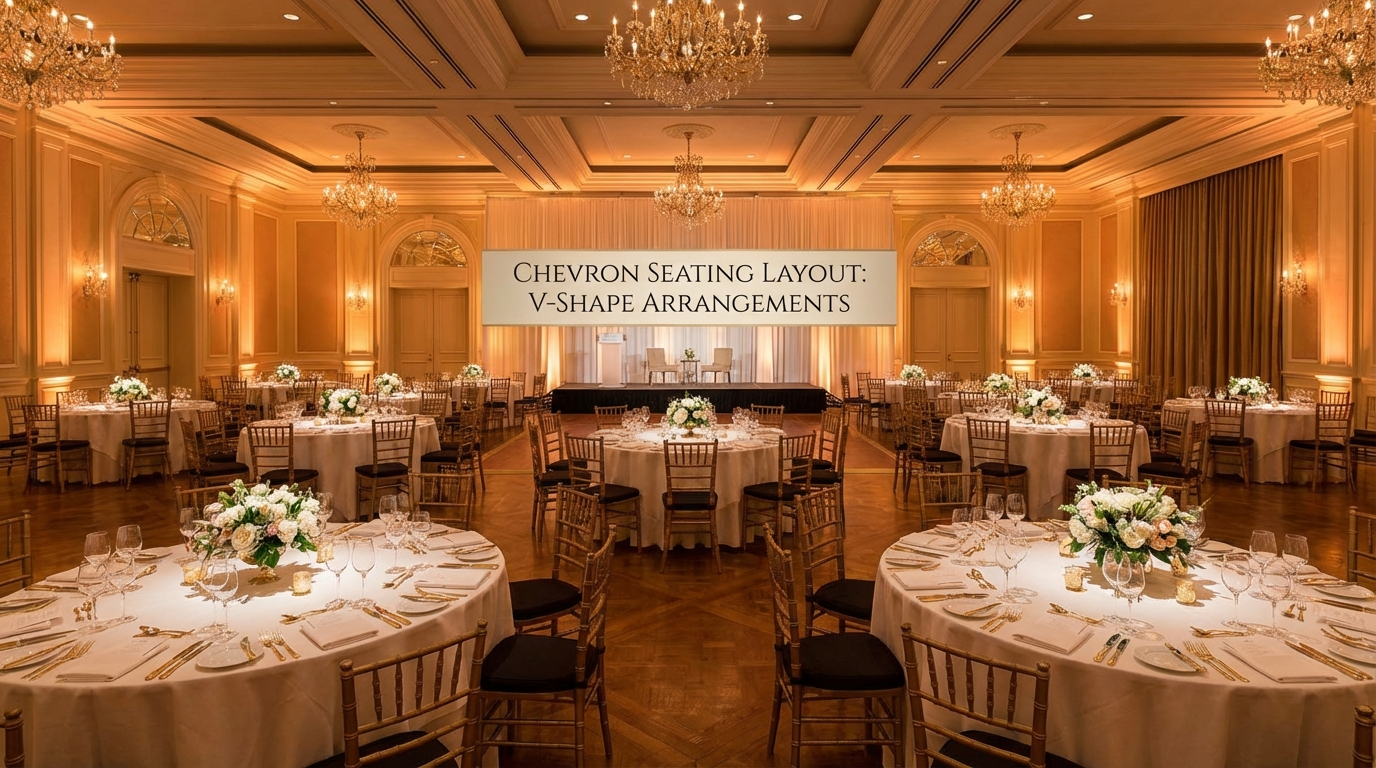
At its core, a chevron seating layout involves arranging rectangular tables in a V-shape or zigzag pattern. Imagine rows of tables angled towards a central focal point, such as a stage, dance floor, or head table. This creates a visually dynamic effect, resembling the chevron pattern commonly seen in fabrics or graphic designs.
Unlike traditional layouts like rows or circular tables, the chevron design offers a more intimate and engaging experience for guests. Angling the tables allows for better sightlines and facilitates conversation, as guests are positioned closer to those across from them and at adjacent tables.
The chevron layout is also known as a "herringbone" pattern, referencing the similar visual appearance. It's a versatile choice that can be adapted to various event spaces and themes. Whether you're planning a grand ballroom wedding or a more intimate corporate dinner, the chevron layout can be customized to suit your specific needs.
Why choose this over other arrangements?
- Enhanced sightlines: Guests have a clearer view of the focal point.
- Improved conversation: The angled arrangement promotes interaction.
- Visual appeal: The chevron pattern adds a touch of elegance and sophistication.
- Space optimization: Can effectively utilize long or narrow spaces.
Why Choose a Chevron Layout for Your Event?
Beyond its aesthetic appeal, the chevron layout offers several practical advantages that make it a compelling choice for event planners. Let's explore some key benefits:
Enhanced Guest Experience: The primary advantage is the improved guest experience. The angled tables facilitate easier conversation, allowing guests to interact more naturally with those around them. This is especially beneficial for events where networking or social interaction is a key objective.
Optimized Sightlines: The chevron arrangement ensures that more guests have a clear view of the stage, speakers, or any other focal point. This is crucial for events with presentations, performances, or ceremonies where visual engagement is essential. No more craning necks or obstructed views!
Space Efficiency: Chevron layouts can be particularly effective in long or narrow spaces. By angling the tables, you can maximize the seating capacity while maintaining comfortable spacing between tables and aisles.
Visual Interest: Let's face it, traditional table arrangements can be a little boring. The chevron pattern adds a unique visual element that elevates the overall aesthetic of your event. It creates a sense of dynamism and sophistication that can impress your guests.
Versatility: You can adapt the chevron layout to various event types, from weddings and corporate galas to conferences and award ceremonies. The arrangement can be customized to suit the specific requirements of your event and the size of your venue.
Planning Your Chevron Seating Layout: A Step-by-Step Guide
Now that you understand the benefits of a chevron seating layout, let's get into the nitty-gritty of planning your own. Here's a step-by-step guide to help you create a stunning and functional table arrangement:
- 1Determine Your Venue Dimensions: Start by accurately measuring your event space. Note the length, width, and any obstructions like pillars or doorways. This will help you determine the maximum number of tables you can accommodate and the optimal angle for your chevron pattern.
- 2Define Your Focal Point: Identify the central point of attention in your venue, such as the stage, head table, or dance floor. The chevron layout should be oriented towards this focal point to ensure optimal sightlines for your guests.
- 3Calculate Table Dimensions and Spacing: Decide on the size of your rectangular tables. Consider the number of guests you want to seat at each table and the amount of space required for comfortable dining. Allow adequate spacing between tables for guests to move around freely and for service staff to navigate.
- 4Choose Your Chevron Angle: Experiment with different angles to find the most visually appealing and space-efficient arrangement. A steeper angle will create a more pronounced chevron pattern, while a shallower angle will be more subtle. Consider the overall dimensions of your venue and the desired level of intimacy when selecting your angle.
- 5Create a Seating Chart: Once you've finalized your layout, it's time to assign seats to your guests. Consider factors like relationships, interests, and personalities to create a balanced and enjoyable seating arrangement. Tools like SeatingChartCreator.com can help you visualize and manage your seating chart with ease. This free online tool allows you to drag and drop tables and guests, experiment with different layouts, and collaborate with your team in real-time.
- 6Consider Aisle Widths: Ensure that your layout includes adequate aisle widths for guests and service staff to move around comfortably. A minimum of 3-4 feet is generally recommended for main aisles.
- 7Factor in Accessibility: Be mindful of guests with mobility issues. Ensure that there are accessible routes to all tables and that wheelchair-accessible seating is available.
Implementing Your Chevron Seating Arrangement
With your plan in place, it's time to bring your chevron seating layout to life. Here's how to execute your design effectively:
Design Your Perfect Seating Chart
Free drag-and-drop seating chart creator for weddings, events, and venues. Export professional PDFs in minutes.
Create Free Seating ChartCommunicate Clearly with Your Venue and Vendors: Share your seating chart and layout specifications with your venue staff, caterers, and any other relevant vendors. Ensure they understand your vision and can accommodate your requirements.
Use Visual Aids for Setup: Provide your venue staff with a detailed diagram or blueprint of your chevron layout. Use color-coded tape or markers to indicate table placement and aisle widths. This will help them set up the tables accurately and efficiently.
Double-Check Table Alignment: Once the tables are in place, take the time to double-check their alignment. Use a measuring tape or laser level to ensure that the tables are evenly spaced and that the chevron pattern is consistent throughout the venue.
Pay Attention to Table Settings: Ensure that each table is properly set with linens, tableware, and centerpieces. Coordinate the table settings with your overall event theme and color scheme.
Conduct a Walk-Through: Before your guests arrive, conduct a final walk-through of the venue. Check for any potential issues, such as obstructed views or tight spaces. Make any necessary adjustments to ensure a smooth and comfortable experience for your guests.
Be Prepared to Adapt: Even with meticulous planning, unforeseen circumstances can arise. Be prepared to adapt your seating arrangement if necessary. For example, you might need to add or remove tables to accommodate last-minute changes in guest attendance.
Creative Variations on the Chevron Theme
While the classic chevron seating layout is already visually striking, there's plenty of room for creativity and customization. Here are a few ideas to inspire your own unique table arrangement:
Double Chevron: Instead of a single chevron pattern, create a double chevron by alternating the direction of the V-shape. This can add even more visual interest and dynamism to your event space.
Curved Chevron: For a softer and more organic look, consider using curved tables to create a flowing chevron pattern. This can be particularly effective in venues with rounded walls or architectural features.
Broken Chevron: Introduce intentional breaks in the chevron pattern to create focal points or designate specific areas within the venue. For example, you could leave a gap in the chevron to create a pathway to the dance floor or bar.
Elevated Chevron: Use risers or platforms to elevate alternating rows of tables, creating a tiered effect. This can enhance sightlines and add a sense of grandeur to your event.
Themed Chevron: Incorporate your event theme into the chevron layout. For example, if you're planning a nautical-themed wedding, you could use blue and white linens and nautical-inspired centerpieces to enhance the chevron pattern.
Mix and Match: Combine the chevron layout with other seating arrangements to create a more dynamic and versatile space. For example, you could use chevron tables for the main dining area and round tables for cocktail receptions or lounge areas.
Tips for Maximizing the Impact of Your Chevron Layout
Want to take your chevron seating layout to the next level? Here are some expert tips to help you maximize its impact:
Lighting is Key: Use strategic lighting to highlight the chevron pattern and create a warm and inviting ambiance. Consider using spotlights to illuminate the tables and uplighting to accentuate the walls.
Centerpiece Considerations: Choose centerpieces that complement the chevron layout without obstructing sightlines. Taller, slimmer centerpieces or lower, wider arrangements can work well. Consider the overall height of the centerpieces to ensure guests can easily see and converse with each other across the table.
Linens and Tableware: Select linens and tableware that enhance the overall aesthetic of your event. Consider using textured linens or patterned tableware to add visual interest. Coordinate the colors and patterns with your event theme and color scheme.
Signage and Wayfinding: Use clear and concise signage to guide guests to their assigned tables. Position the signage strategically so that it is easily visible from all areas of the venue. Consider using table numbers or names that complement the overall theme of your event.
Music and Sound: Ensure that the music and sound levels are appropriate for the event. Position the speakers strategically so that the sound is evenly distributed throughout the venue. Avoid placing speakers too close to the tables, as this can make it difficult for guests to hear each other.
Personal Touches: Add personal touches to the chevron layout to make it even more special. Consider incorporating custom place cards, personalized favors, or handwritten notes for each guest. These small details can make a big difference in creating a memorable experience.
Chevron Seating Layout: Example Templates
To give you a clearer idea of how a chevron seating layout can be implemented, here are a couple of example templates for different event scenarios:
Wedding Reception (150 Guests):
- Venue: Ballroom with dimensions of 80ft x 60ft
- Focal Point: Head table positioned at one end of the room, facing the dance floor
- Tables: 15 rectangular tables (6ft x 3ft), seating 10 guests per table
- Chevron Angle: 30 degrees
- Aisle Widths: 4ft main aisles, 3ft secondary aisles
Corporate Conference (100 Attendees):
- Venue: Conference room with dimensions of 70ft x 50ft
- Focal Point: Stage with a projection screen
- Tables: 10 rectangular tables (6ft x 2.5ft), seating 10 attendees per table
- Chevron Angle: 25 degrees
- Aisle Widths: 3.5ft main aisles, 2.5ft secondary aisles
Remember, these are just examples. You can customize the dimensions, angles, and table sizes to suit your specific venue and event requirements. Consider using SeatingChartCreator.com to visualize and refine your layout. Our drag-and-drop interface makes it easy to experiment with different configurations and ensure that your final seating plan is perfect.
Common Mistakes to Avoid with Chevron Seating
While the chevron seating layout can be incredibly effective, it's important to avoid common pitfalls that can detract from its impact. Here are some mistakes to watch out for:
Insufficient Aisle Widths: One of the biggest mistakes is failing to provide adequate aisle widths. This can make it difficult for guests and service staff to move around, leading to congestion and frustration.
Obstructed Sightlines: Ensure that centerpieces and other decorations do not obstruct guests' views of the focal point. Choose centerpieces that are either tall and slim or low and wide to minimize visual obstruction.
Poor Table Alignment: Inconsistent table spacing or misaligned tables can ruin the visual impact of the chevron pattern. Take the time to double-check the alignment of each table to ensure a cohesive and polished look.
Ignoring Accessibility: Failing to provide accessible seating and routes for guests with mobility issues is a major oversight. Ensure that your layout includes accessible options and that all areas of the venue are easily navigable.
Overcrowding: Avoid overcrowding tables by seating too many guests at each table. This can make it uncomfortable for guests and hinder conversation. Allow adequate space for each guest to dine and interact comfortably.
Expert Tips for a Flawless Chevron Seating Layout
Ready to elevate your chevron seating layout from good to exceptional? Here are some additional tips from event planning experts:
Consider the Flow of the Event: Think about how guests will move through the venue during different phases of the event. Position the tables and aisles to facilitate a smooth and natural flow from one area to another.
Use Color to Enhance the Pattern: Incorporate color into your chevron layout to highlight the pattern and create visual interest. Use different colored linens, chair covers, or centerpieces to accentuate the V-shape.
Incorporate Technology: Use technology to enhance the guest experience. Consider incorporating interactive table displays, digital signage, or mobile apps to provide guests with information about the event and the seating arrangement.
Gather Feedback: After the event, solicit feedback from your guests about the seating arrangement. This will help you identify areas for improvement and refine your approach for future events.
Don't Overlook Acoustics: Consider the acoustics of the venue. Large, open spaces can be echoey, making it difficult for guests to hear each other. Use sound-absorbing materials, such as drapes or acoustic panels, to improve the sound quality.
Remember to use a seating chart creator like ours at SeatingChartCreator.com to visualize your layout before you commit!
Frequently Asked Questions
The ideal angle for a chevron seating layout typically ranges from 25 to 45 degrees. A steeper angle creates a more pronounced chevron pattern, while a shallower angle is more subtle. The best angle depends on the dimensions of your venue, the size of your tables, and the desired level of intimacy. Experiment with different angles to find the most visually appealing and space-efficient arrangement.
Get Event Planning Tips
Weekly tips on seating arrangements, event layouts, and planning strategies.
SeatingChart Team
Our team of event planning experts is dedicated to helping you create unforgettable events with perfect seating arrangements.
Ready to Create Your Seating Chart?
Start planning your perfect event layout with our free drag-and-drop seating chart creator. No sign-up required to try it out!
Try Free Seating Chart Creator