Introduction: The Art of Strategic Seating at Your Fundraiser Dinner
Planning a fundraiser dinner involves more than just choosing a menu and sending out invitations. The seating arrangement plays a crucial role in the event's success. Thoughtful fundraiser dinner seating can significantly impact donor engagement, overall atmosphere, and ultimately, the amount of money raised. Are you ready to maximize your fundraising potential?
In this comprehensive guide, you’ll learn how to create a strategic seating plan that optimizes interactions, fosters connections, and encourages generosity. We'll cover everything from identifying key donors to avoiding common seating mistakes. You'll discover how to use seating to cultivate relationships and create a memorable experience for your guests. Let's get started!
Here's what we'll cover:
- Understanding the importance of strategic fundraiser seating.
- Identifying and categorizing your donors.
- Creating a seating chart that fosters connections.
- Avoiding common seating mistakes.
- Using tools like SeatingChartCreator.com to simplify the process.
Why Strategic Seating Matters for Your Fundraising Event
Why spend time agonizing over a seating chart for your fundraiser? Because it's an investment that can yield significant returns. Strategic seating isn't just about filling seats; it's about creating an environment that encourages generosity and strengthens relationships with your donors. Think of your seating plan as a silent fundraiser, working behind the scenes to maximize your impact.
Design Your Perfect Seating Chart
Free drag-and-drop seating chart creator for weddings, events, and venues. Export professional PDFs in minutes.
Create Free Seating ChartA well-thought-out table arrangement can:
- Encourage networking: Placing donors with shared interests or professional connections together can spark engaging conversations and foster valuable relationships.
- Show appreciation: Strategically seating major donors near the stage or key speakers demonstrates your gratitude for their support.
- Cultivate new relationships: Intentionally pairing potential donors with existing supporters can introduce them to your cause and encourage future involvement.
- Boost morale: Creating a comfortable and engaging atmosphere can leave a lasting positive impression on your guests, making them more likely to support your organization in the future.
Conversely, a poorly planned seating arrangement can have negative consequences. Imagine a major donor feeling overlooked because they're seated in a less prominent location or a potential supporter feeling excluded from meaningful conversations. These experiences can detract from the overall event and potentially damage your relationship with valuable contributors.
By taking the time to create a thoughtful seating plan, you're showing your donors that you value their support and are committed to providing them with a positive and engaging experience. Ultimately, this can lead to increased donations and stronger relationships that benefit your organization for years to come.
Identifying and Categorizing Your Donors for Optimal Placement
Before you start arranging tables and assigning seats, it's crucial to understand who will be attending your fundraiser. Not all donors are created equal; some have a long history of generous support, while others may be new to your organization. Categorizing your donors will help you create a seating chart that reflects their level of engagement and maximizes their potential impact.
Here are some categories to consider:
- Major Donors: These individuals have consistently contributed significant amounts to your organization. They should be seated in prominent locations, such as near the stage or with key speakers.
- Potential Donors: These guests may be new to your organization or have expressed interest in supporting your cause. Strategically seat them with existing donors or board members who can share their passion for your mission.
- Long-Term Supporters: These donors have been loyal contributors for many years. Show your appreciation by seating them with other long-term supporters or with staff members who can acknowledge their dedication.
- Corporate Sponsors: If you have corporate sponsors, ensure they are seated together or with representatives from your organization. This allows them to network with each other and learn more about your work.
- VIP Guests: This category may include board members, community leaders, or other individuals who are important to your organization. Seat them in prominent locations and ensure they are surrounded by engaging company.
Once you've categorized your donors, gather information about their interests, affiliations, and personalities. This will help you make informed decisions about who to seat together. Consider factors like:
- Shared Interests: Do they have a common passion for a particular program or area of your organization's work?
- Professional Connections: Are they in the same industry or have overlapping networks?
- Personal Compatibility: Do they have similar personalities or communication styles?
By taking the time to understand your donors and their preferences, you can create a seating chart that fosters meaningful connections and encourages further engagement with your organization.
Crafting a Seating Chart That Fosters Connections and Engagement
Now that you've identified and categorized your donors, it's time to create a seating chart that fosters connections and engagement. This is where the art of strategic seating truly comes into play. Your goal is to create an environment where guests feel comfortable, connected, and inspired to support your cause. Here's how to do it:
1. Start with a Visual Representation: Use a tool like SeatingChartCreator.com to create a visual representation of your venue. This will allow you to easily drag and drop guests to different tables and experiment with different arrangements.
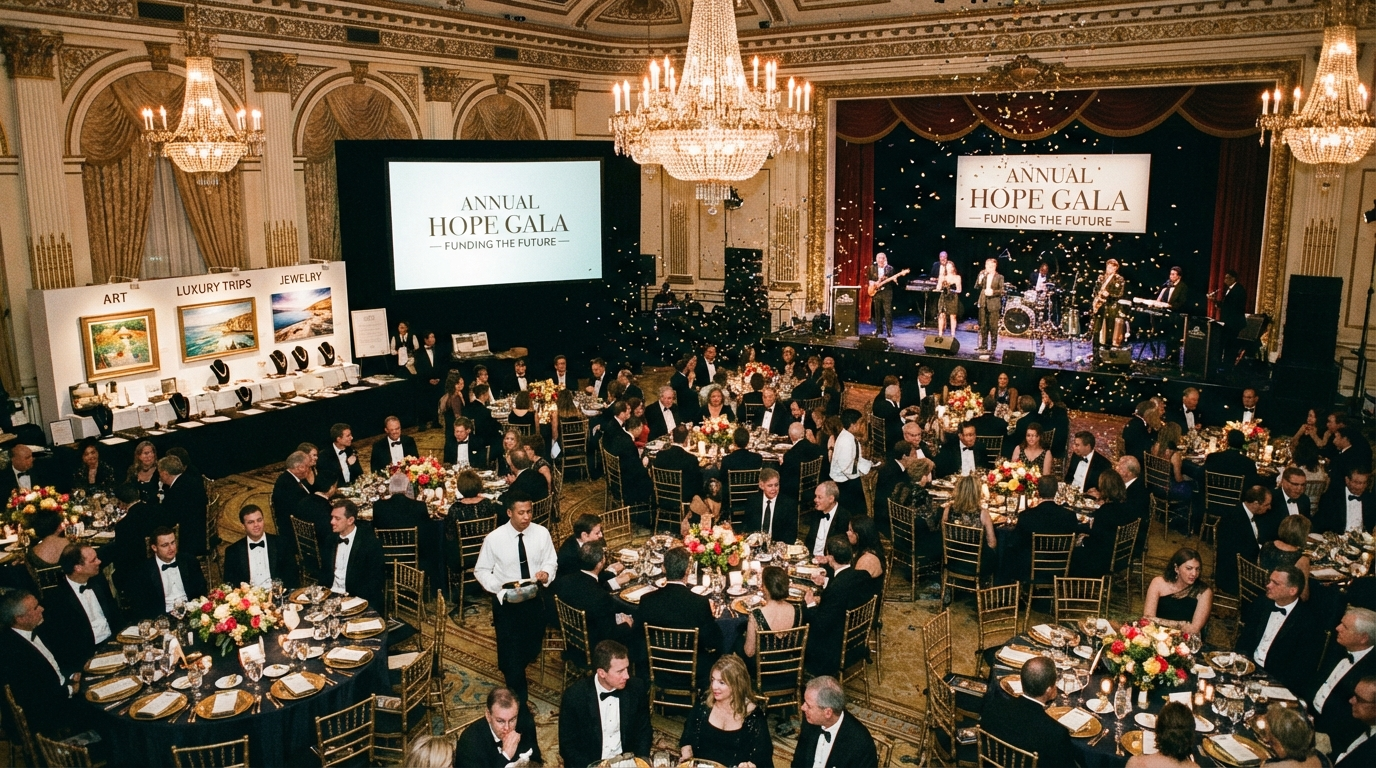
2. Prioritize Key Donors: Seat your major donors and VIP guests in the most prominent locations, such as near the stage or with key speakers. This shows your appreciation for their support and ensures they have a positive and engaging experience.
3. Create Intentional Pairings: Strategically pair potential donors with existing supporters or board members who can share their passion for your mission. This can help introduce them to your organization and encourage future involvement.
4. Consider Table Dynamics: Aim for a mix of personalities and interests at each table. Avoid seating only quiet individuals together, as this may stifle conversation. Instead, try to create a balanced dynamic that encourages interaction and engagement.
5. Use Place Cards: Place cards add a touch of elegance and ensure that guests are seated in their assigned locations. This can help prevent confusion and ensure that your seating plan is executed as intended.
6. Be Flexible: Be prepared to make adjustments to your seating chart as needed. Last-minute cancellations or additions may require you to shuffle guests around. Having a flexible mindset will help you adapt to unexpected changes.
Remember, the goal is to create an environment where guests feel comfortable, connected, and inspired to support your cause. By taking the time to create a thoughtful seating plan, you can significantly enhance the success of your fundraiser dinner.
Tools and Resources for Streamlining Your Seating Arrangement
Creating a seating chart for a fundraiser dinner can seem daunting, but fortunately, plenty of tools and resources are available to streamline the process. From online software to printable templates, these resources can help you organize your guest list, visualize your venue, and create a seating plan that maximizes engagement.
Here are some helpful tools and resources:
1. SeatingChartCreator.com: This free online tool allows you to create a visual seating chart by dragging and dropping guests to different tables. It's user-friendly and requires no software downloads, making it a convenient option for event planners of all skill levels. Plus, it’s perfect for fundraiser dinner seating!
2. Spreadsheet Software: Programs like Microsoft Excel or Google Sheets can be used to organize your guest list and track seating assignments. You can create columns for guest names, table numbers, and any relevant notes about their preferences or affiliations.
3. Venue Floor Plans: Obtain a floor plan of your venue to accurately visualize the layout and determine the best placement for tables and chairs. This will help you create a seating chart that is both aesthetically pleasing and functional.
4. Printable Templates: Search online for printable seating chart templates that you can use to manually plan your seating arrangements. These templates typically include blank tables and chairs that you can fill in with guest names.
5. Collaboration Platforms: Use platforms like Google Docs or Microsoft Teams to collaborate with your team on the seating chart. This allows multiple people to view and edit the document simultaneously, ensuring that everyone is on the same page.
6. Mobile Apps: Explore mobile apps designed for event planning that include seating chart features. These apps can be particularly useful for managing your seating arrangements on the go.
By leveraging these tools and resources, you can simplify the process of creating a seating chart and ensure that your fundraiser dinner is a success. Remember to choose the tools that best fit your needs and budget, and don't be afraid to experiment with different approaches until you find what works best for you.
Common Seating Mistakes to Avoid at Your Fundraiser
Even with the best intentions, it's easy to make mistakes when creating a seating chart for your fundraiser dinner. These mistakes can detract from the overall event and potentially damage your relationship with valuable donors. Here are some common seating mistakes to avoid:
1. Ignoring Donor Preferences: Failing to consider donor preferences, such as dietary restrictions or seating requests, can make them feel overlooked and unappreciated. Always ask about preferences during the RSVP process and make every effort to accommodate them.
2. Separating Spouses or Partners: Unless specifically requested, always seat spouses or partners together. Separating them can be awkward and make them feel uncomfortable.
3. Seating People with Conflicting Views Together: Avoid seating individuals with known conflicting views or personalities at the same table. This can lead to tension and detract from the overall atmosphere of the event.
4. Overcrowding Tables: Squeezing too many people around a table can make guests feel cramped and uncomfortable. Ensure that each table has enough space for guests to move around and engage in conversation comfortably.
5. Ignoring Dietary Restrictions: Failing to accommodate dietary restrictions, such as vegetarian, vegan, or gluten-free diets, can be a major oversight. Always provide alternative meal options for guests with dietary needs.
6. Last-Minute Changes: Making significant changes to the seating chart at the last minute can create confusion and disrupt the flow of the event. Try to finalize your seating arrangements well in advance and avoid making unnecessary changes.
By avoiding these common seating mistakes, you can ensure that your fundraiser dinner is a success and that your guests have a positive and engaging experience. Remember to prioritize donor preferences, create a comfortable and welcoming atmosphere, and be prepared to make adjustments as needed.
Expert Tips for Maximizing Donor Engagement Through Strategic Seating
Beyond the basics of seating arrangements, there are advanced strategies you can employ to maximize donor engagement at your fundraiser dinner. These tips focus on creating a dynamic and interactive environment that fosters connections and encourages generosity. Here's some expert advice:
1. Create Themed Tables: Consider creating themed tables based on different areas of your organization's work or specific interests. This can spark conversation and encourage guests to learn more about your mission. For example, you could have a table dedicated to education, another to environmental conservation, and another to healthcare.
2. Use Conversation Starters: Place conversation starters on each table to encourage interaction among guests. These could be questions related to your organization's work or fun icebreakers that help people get to know each other. Examples include: "What inspired you to support our cause?" or "What is your favorite memory from a previous fundraiser?"
3. Rotate Staff Members: Have staff members rotate among the tables throughout the evening to engage with guests and answer any questions they may have. This provides an opportunity to build relationships and share information about your organization's impact.
4. Incorporate Interactive Elements: Consider incorporating interactive elements into the seating plan, such as a scavenger hunt or a trivia game. This can make the event more engaging and memorable for your guests.
5. Showcase Impact Stories: Use the seating chart as an opportunity to showcase impact stories. Place small cards on each table that tell the story of someone who has benefited from your organization's work. This can inspire guests to give generously and support your mission.
6. Gather Feedback: After the event, gather feedback from guests about their seating experience. This will help you identify what worked well and what could be improved for future events.
“Strategic seating isn't just about filling seats; it's about creating an environment that encourages generosity and strengthens relationships with your donors.” — Nonprofit Event Planning Association
By implementing these expert tips, you can transform your fundraiser dinner into a dynamic and engaging event that maximizes donor engagement and supports your organization's mission.
Fundraiser Dinner Seating Chart Templates and Examples
Need some inspiration for your fundraiser dinner seating? Let's look at some templates and examples to get those creative juices flowing! These examples illustrate how you can strategically arrange your guests to foster connections and maximize engagement.
Example 1: The "Relationship Builder" Seating Chart
This template focuses on connecting potential donors with established supporters. Each table includes a mix of long-term donors, board members, and individuals new to the organization. The goal is to introduce potential donors to your cause and encourage them to become more involved.
Example 2: The "Major Donor Appreciation" Seating Chart
This template prioritizes your major donors by seating them in prominent locations, such as near the stage or with key speakers. Each table includes a mix of major donors and VIP guests, ensuring they have a positive and engaging experience. This reinforces their importance to the organization.
Example 3: The "Themed Table" Seating Chart
This template incorporates themed tables based on different areas of your organization's work. For example, a table dedicated to education might include teachers, students, and education advocates. This sparks conversation and encourages guests to learn more about specific programs.
Template for a Small Fundraiser (50-75 Guests):
- 1Identify key donors and VIPs.
- 2Create a head table for board members and special guests.
- 3Mix long-term donors with potential new supporters at other tables.
- 4Use free templates to visualize placement.
Template for a Large Fundraiser (200+ Guests):
- 1Categorize donors by giving level and interests.
- 2Assign tables numbers and clearly mark VIP tables.
- 3Use seating chart software to manage assignments.
- 4Print place cards to avoid confusion.
“A well-planned seating chart is more than just names on a page; it's a strategic tool for fostering connections and maximizing donor engagement.” — Event Planner Pro Magazine
Remember, these are just examples to inspire you. Tailor your seating chart to your specific event and the unique needs of your organization. Use tools like SeatingChartCreator.com to easily create and customize your seating arrangements.
Leveraging Technology for Efficient Fundraiser Seating Management
In today's digital age, technology can be a game-changer for managing your fundraiser dinner seating. From online seating chart tools to mobile apps, there are numerous ways to leverage technology to streamline the process and ensure accuracy. Here's how to do it:
1. Utilize Online Seating Chart Software:
Online seating chart software like SeatingChartCreator.com offers a user-friendly interface for creating and managing your seating arrangements. These tools allow you to visualize your venue, drag and drop guests to different tables, and easily make changes as needed. They also often include features like guest list management and reporting.
2. Embrace Mobile Apps:
Mobile apps designed for event planning can be invaluable for managing your seating chart on the go. These apps allow you to access your guest list, view seating assignments, and make changes from your smartphone or tablet. They can also send notifications to guests about their seating arrangements.
3. Automate Guest List Management:
Use CRM (Customer Relationship Management) software to automate guest list management. This allows you to easily track RSVPs, dietary restrictions, and other important information about your guests. You can then integrate this information with your seating chart software to ensure accuracy.
4. Implement Online Check-In:
Consider implementing online check-in for your fundraiser dinner. This allows guests to check in remotely and receive their seating assignments electronically. This can reduce congestion at the registration table and streamline the check-in process.
5. Use Digital Signage:
Display digital signage at the venue to guide guests to their tables. This can be particularly helpful for large events with multiple rooms or floors. Digital signage can also be used to display important information about the event, such as the program schedule or sponsor logos.
By leveraging technology in these ways, you can significantly improve the efficiency and accuracy of your fundraiser dinner seating management. This will save you time and effort, allowing you to focus on other important aspects of the event.
Frequently Asked Questions
Ideally, you should start working on your seating chart as soon as you have a confirmed guest list, which is typically 2-3 weeks before the event. This gives you ample time to gather information about donor preferences, create a strategic arrangement, and make any necessary adjustments. Avoid leaving it to the last minute, as this can lead to errors and omissions.
Get Event Planning Tips
Weekly tips on seating arrangements, event layouts, and planning strategies.
SeatingChart Team
Our team of event planning experts is dedicated to helping you create unforgettable events with perfect seating arrangements.
Ready to Create Your Seating Chart?
Start planning your perfect event layout with our free drag-and-drop seating chart creator. No sign-up required to try it out!
Try Free Seating Chart Creator