Planning a class reunion in 2026? One of the most important aspects, often overlooked, is the seating arrangement. Thoughtful class reunion seating can make or break the event. It's about more than just filling chairs; it's about fostering connections, sparking memories, and ensuring everyone feels comfortable and included. Get it right, and you will create an atmosphere where old friends can reconnect and new friendships blossom. This guide will give you all the information you need to make your class reunion seating a success.
Key Takeaways
- Carefully consider your classmates' personalities and relationships when planning seating.
- Use a seating chart tool like SeatingChartCreator.com to easily visualize and adjust your layout.
- Mix and match different table types to create visual interest and accommodate varying group sizes.
- Communicate the seating plan clearly to guests beforehand to avoid confusion and ensure a smooth arrival.
- Don't be afraid to make adjustments on the fly to accommodate last-minute changes or unexpected dynamics.
Why is Class Reunion Seating So Important?
You might be thinking, "It's just seating, right? People can sit wherever they want." While that approach might work for some casual gatherings, a class reunion is different. People haven't seen each other in years, sometimes decades! A well-thought-out seating plan can be a catalyst for rekindling old friendships and easing any potential awkwardness. Think about it: strategically placing people together who shared common interests or experiences back in school can instantly spark conversation and bring back fond memories. It's about creating an environment that encourages interaction and helps people reconnect on a deeper level.
Design Your Perfect Seating Chart
Free drag-and-drop seating chart creator for weddings, events, and venues. Export professional PDFs in minutes.
Create Free Seating ChartConversely, a poorly planned seating arrangement can lead to cliques forming, some feeling left out, and missed opportunities for people to reconnect with those they genuinely wanted to see. Imagine someone wanting to catch up with a specific group of friends, but they're seated across the room and never get the chance. Or, picture someone introverted being placed at a table full of extroverts and feeling overwhelmed. By taking the time to plan the seating, you're showing your classmates that you care about their experience and want to create an inclusive and enjoyable event for everyone.
Understanding Your Classmates: The Key to Successful Seating
Before you start arranging tables and assigning names, take some time to really think about your classmates. What were their personalities like back in school? Who were their close friends? Who might have drifted apart over the years? Understanding these dynamics is crucial for creating a seating chart that works.
Consider sending out a pre-reunion survey to gather information. Ask about their interests, what they're most looking forward to at the reunion, and if there are any specific people they'd like to be seated with. This valuable feedback will give you a better understanding of their preferences and help you make informed decisions about seating. You can also tap into your existing network of classmates to gather insights. Reach out to people who were well-connected in school and ask for their input on who should be seated together. Remember, the goal is to create an atmosphere where everyone feels comfortable, included, and ready to reconnect.
Think about dynamics too – are there any specific people that shouldn't be seated together? While most drama is water under the bridge, it's better to avoid any potential awkwardness. Finally, consider any accessibility needs. Ensure that classmates with mobility issues are seated in easily accessible locations, close to restrooms and entrances.
Table Types and Layout Options for Your Reunion
The type of tables you choose and how you arrange them significantly impacts the flow and feel of your reunion. You're not limited to just one type of table! Mixing and matching can create visual interest and accommodate different group sizes and preferences. Here's a breakdown of some common table types and layout options.
- Round Tables: These are great for encouraging conversation, as everyone can easily see and talk to each other. They typically seat 8-10 people comfortably.
- Rectangular Tables: These are more space-efficient and can be arranged in long rows for a banquet-style setup. They're also a good option for creating a head table for the organizing committee.
- Square Tables: A nice compromise between round and rectangular, square tables offer a more intimate setting and can be easily combined to accommodate larger groups.
- High-Top Tables: These are perfect for creating a more casual and social atmosphere, encouraging mingling and standing conversations. Scatter a few around the room near the bar or dance floor.
As for layouts, consider these options:
- Traditional Banquet Style: Rows of rectangular tables facing the front of the room.
- Circular Layout: Round tables scattered throughout the room, creating a more open and social atmosphere.
- U-Shaped Layout: Rectangular tables arranged in a "U" shape, ideal for presentations or speeches.
- Combination Layout: Mix and match different table types and layouts to create a dynamic and visually appealing space.
Step-by-Step Guide to Creating Your Class Reunion Seating Chart
Ready to start creating your class reunion seating chart? Here's a step-by-step guide to walk you through the process.
Gather Your Guest List
Start with an accurate and up-to-date guest list, including any plus-ones. This will be your foundation for the entire seating chart. Double-check for any dietary restrictions or accessibility needs.
Get Your Venue's Floor Plan
Obtain a detailed floor plan of your reunion venue. This will allow you to visualize the space and plan your table layout accordingly. Note the location of doors, windows, power outlets, and any other important features.
Choose Your Table Layout
Based on the size and shape of your venue, decide on the best table layout. Consider the number of guests, the desired atmosphere, and any planned activities (e.g., speeches, dancing). Round tables encourage conversation, while rectangular tables are more space-efficient.
Start Assigning Guests
Begin by placing VIP guests (e.g., former teachers, class presidents) and those with special needs. Then, start grouping classmates based on their relationships, interests, and personalities. Use a tool like SeatingChartCreator.com to easily drag and drop names onto tables.
Review and Adjust
Once you've created a preliminary seating chart, take a step back and review it carefully. Ask a few trusted classmates for their feedback. Make any necessary adjustments to ensure everyone is comfortable and included.
Communicate the Seating Plan
Communicate the seating plan to your guests in advance, either through email, your reunion website, or at the entrance of the venue. This will help avoid confusion and ensure a smooth arrival. Consider using place cards to clearly indicate each guest's assigned seat.
Using Seating Chart Creator to Simplify the Process
Creating a seating chart can feel overwhelming, but with the right tools, it becomes significantly easier. SeatingChartCreator.com is a free, user-friendly online tool designed to simplify the entire process. Its drag-and-drop interface allows you to easily arrange tables, assign guests, and visualize your layout in real-time.
Here's how using SeatingChartCreator.com can benefit your class reunion planning:
- Visual Planning: See your seating chart come to life as you drag and drop tables and names. This visual representation helps you identify potential problems and make adjustments easily.
- Easy Collaboration: Share your seating chart with other members of the organizing committee and get their feedback in real-time.
- Customizable Templates: Start with a pre-designed template and customize it to fit your specific venue and needs. Free templates can save you time and effort.
- Guest Management: Import your guest list directly into the tool, making it easy to assign names to tables and track RSVPs.
- Free to Use: Best of all, SeatingChartCreator.com is completely free to use, saving you valuable budget dollars.
Strategies for Mixing and Mingling: Beyond the Seating Chart
While the seating chart is a crucial element, it's not the only way to encourage mixing and mingling at your class reunion. Think about incorporating activities and elements that naturally encourage people to move around and interact with different groups. For example, set up a photo booth with props and encourage people to take fun pictures with old friends and new acquaintances. Create a memory lane display with old yearbooks and photos, prompting people to reminisce and share stories.
Consider incorporating icebreaker games or activities to help people get to know each other better. A simple "find someone who..." game can encourage people to strike up conversations and discover common interests. You can also set up different activity stations, such as a trivia game about your graduating year or a crafting station where people can create personalized keepsakes.
Music also plays a key role. Choose a playlist that includes songs from your high school years to evoke nostalgia and get people on the dance floor. Consider hiring a DJ who can take requests and keep the energy up throughout the night. Ultimately, the goal is to create a fun and engaging atmosphere that encourages people to step outside their comfort zones and reconnect with their classmates.
Class Reunion Seating Chart Examples and Templates
Need some inspiration for your class reunion seating chart? Here are a few examples and templates to get you started.
Template 1: The "Reconnect the Cliques" Approach
- Focuses on reuniting former high school cliques.
- Ideal for smaller reunions where cliques are well-defined.
- Carefully considers historical relationships within each group.
Template 2: The "Mix It Up" Strategy
- Intentionally mixes different groups and personalities.
- Works well for larger reunions with diverse interests.
- Requires a deeper understanding of individual classmates.
Example 1: Small Reunion (50 Guests) Using a circular layout with round tables, strategically place key members from different friend groups at the same table to encourage cross-group interaction. Have a designated "mingling table" near the bar for those who prefer a more casual setting.
Example 2: Large Reunion (200+ Guests) Opt for a combination layout with rectangular tables for larger groups and round tables for smaller, more intimate gatherings. Designate a "decade corner" with photos and memorabilia from each decade since graduation to spark conversations and memories.
Common Class Reunion Seating Mistakes to Avoid
While careful planning can lead to successful seating, it's easy to fall into common traps. Here are some mistakes to avoid when creating your class reunion seating arrangement:
- Ignoring Personalities: Blindly assigning seats without considering individual personalities and relationships can lead to awkwardness and discomfort.
- Forgetting Accessibility Needs: Failing to accommodate classmates with mobility issues is a major oversight. Ensure that accessible seating is readily available.
- Overcrowding Tables: Cramming too many people around a table makes it difficult to converse and can create a claustrophobic atmosphere.
- Not Communicating the Plan: Keeping the seating chart a secret until the last minute can lead to confusion and frustration.
- Being Afraid to Adjust: Rigidly sticking to the seating chart, even when it's not working, can prevent people from connecting with those they want to see.
Expert Tips for a Smooth and Successful Seating Experience
Beyond the basics, here are some expert tips to elevate your class reunion seating arrangement and ensure a smooth and enjoyable experience for everyone:
- Consider a "No Seating" Section: Designate a small area, perhaps near the bar or lounge area, with no assigned seating. This allows for spontaneous mingling and provides a comfortable option for those who prefer not to be tied to a specific table.
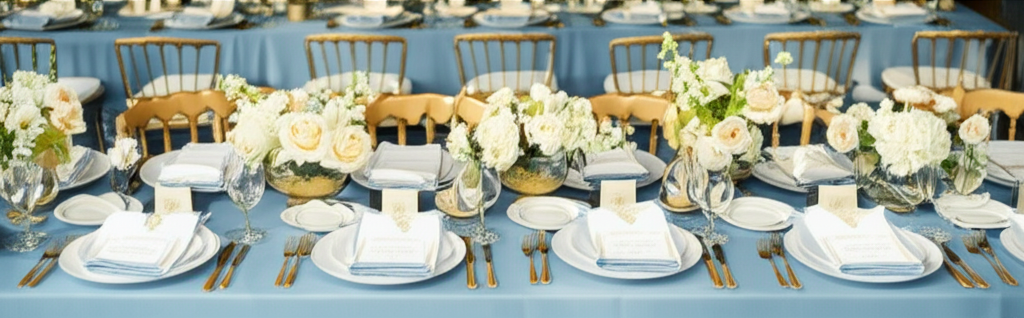
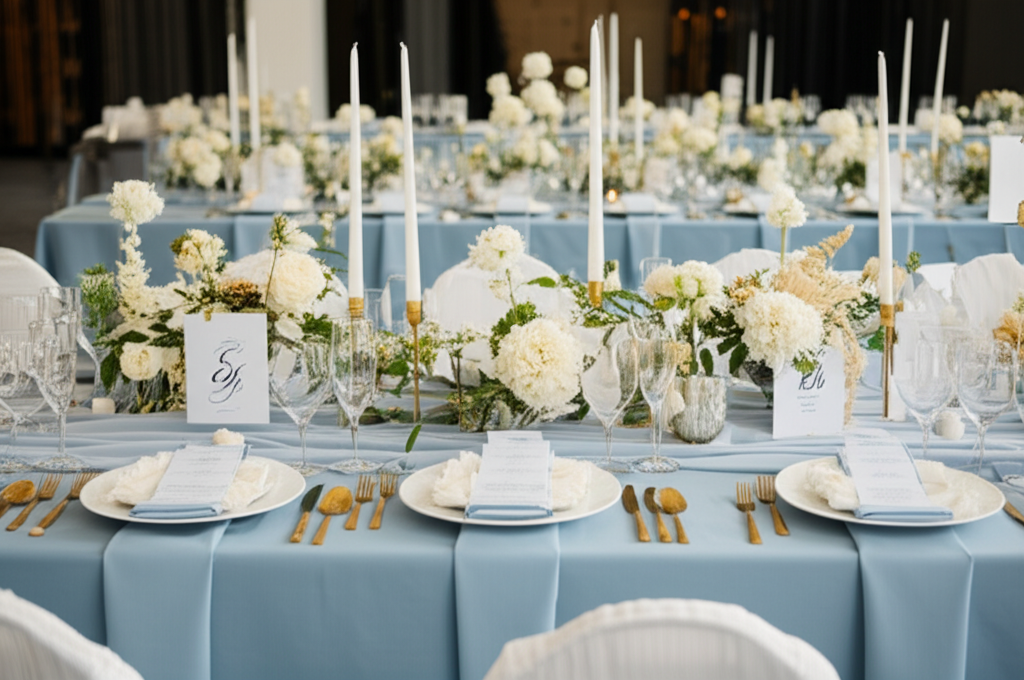
- Use Place Cards Strategically: Place cards not only indicate assigned seats but also add a touch of elegance to the event. Consider including a fun fact or memory on each place card to spark conversation.
- Be Flexible and Adaptable: Even with the best-laid plans, unforeseen circumstances can arise. Be prepared to make adjustments on the fly to accommodate last-minute changes or unexpected dynamics.
- Enlist Volunteers: Recruit a few trusted classmates to help with seating arrangements on the day of the reunion. They can assist guests in finding their seats and address any seating-related issues that may arise.
Frequently Asked Questions
Ideally, you should start planning your class reunion seating at least 2-3 months in advance. This gives you ample time to gather guest information, create a floor plan, and experiment with different seating arrangements. Starting early also allows you to solicit feedback from classmates and make adjustments as needed.
Get Event Planning Tips
Weekly tips on seating arrangements, event layouts, and planning strategies.
SeatingChart Team
Our team of event planning experts is dedicated to helping you create unforgettable events with perfect seating arrangements.
Ready to Create Your Seating Chart?
Start planning your perfect event layout with our free drag-and-drop seating chart creator. No sign-up required to try it out!
Try Free Seating Chart Creator