Why Your charity event table layout Is Failing (And How to Fix It)

Planning a charity event is no small feat. You're juggling fundraising goals, guest lists, entertainment, and catering, all while trying to create a memorable and impactful experience. But amidst all the excitement, one crucial detail often gets overlooked: the charity event table layout. A poorly planned layout can lead to awkward interactions, disjointed networking, and ultimately, a less successful event. Are your guests comfortable? Are they able to easily mingle and find the people they want to connect with? If not, your layout could be the culprit. Let's dive into how to create a seating arrangement that maximizes engagement and helps you achieve your fundraising goals.
Key Takeaways
- A well-planned table layout enhances guest experience and networking opportunities.
- Consider the type of event and the desired atmosphere when choosing table shapes and sizes.
- Strategic seating arrangements can facilitate connections between attendees and boost fundraising efforts.
- Utilize seating chart tools like SeatingChartCreator.com to streamline the planning process.
- Avoid common layout mistakes that can hinder guest interaction and overall event success.
Why Your Charity Event Table Layout Matters
Think of your charity event table layout as more than just arranging chairs and tables. It's about crafting an environment that fosters connection, encourages conversation, and supports your fundraising objectives. The way you organize your tables directly impacts the guest experience. A cramped layout can make people feel uncomfortable and isolated, while a spacious and thoughtfully designed layout encourages mingling and interaction.
Design Your Perfect Seating Chart
Free drag-and-drop seating chart creator for weddings, events, and venues. Export professional PDFs in minutes.
Create Free Seating ChartConsider the flow of the room. Can guests easily move between tables? Are there clear pathways to the bar, restrooms, and auction areas? A well-designed layout ensures that guests can navigate the space comfortably and effortlessly. This ease of movement contributes to a more positive overall experience, and happy guests are more likely to be generous.
Furthermore, strategic seating arrangements can facilitate valuable connections. By carefully considering the relationships and interests of your guests, you can create opportunities for networking and collaboration. For instance, seating potential donors near key organizers or beneficiaries can spark meaningful conversations and inspire greater giving. Don't underestimate the power of a well-placed introduction!
Choosing the Right Table Shapes and Sizes
The shape and size of your tables play a significant role in shaping the atmosphere of your charity event. Round tables, rectangular tables, and even square tables each offer distinct advantages and disadvantages. The best choice for you will depend on the space you have available, the number of guests, and the overall aesthetic you're aiming for.
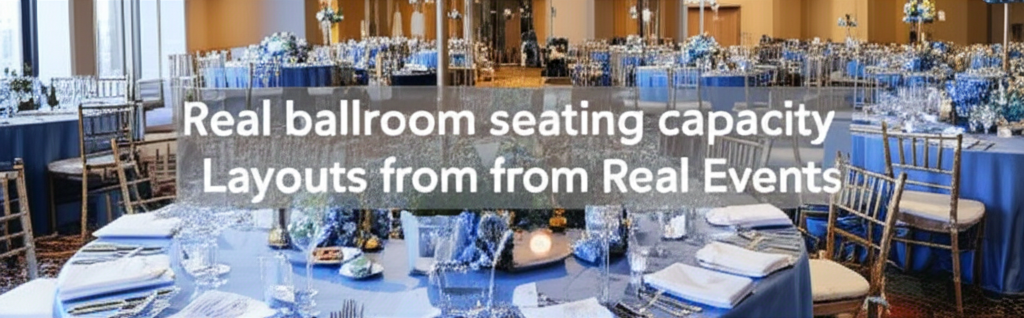
Round tables are generally considered to be more conducive to conversation. Because everyone is facing each other, it's easier for guests to engage in group discussions. Round tables also lend a sense of elegance and formality to the event. However, they can take up more space than rectangular tables, so you'll need to carefully consider your venue's dimensions.
Rectangular tables are a great option for maximizing space. They can be arranged in long rows or clustered together to create different seating configurations. Rectangular tables are often used for banquets and galas, and they can create a more structured and organized feel. However, they may not be as conducive to conversation as round tables, especially if the tables are very long.
Square tables offer a compromise between round and rectangular tables. They provide a more intimate setting than rectangular tables, but they don't take up as much space as round tables. Square tables are a good option for smaller events or for creating smaller, more intimate seating areas within a larger event.
Strategic Seating: Connecting Guests for Maximum Impact
Now, let's talk strategy. The most effective charity event table layouts go beyond simply filling seats. They're designed to strategically connect guests who share common interests, professional connections, or a passion for your cause. This is where thoughtful planning can truly elevate your event's success.
Start by gathering information about your guests. Who are your major donors? Which attendees work in related fields? Who might benefit from connecting with whom? You can collect this information through RSVP forms, pre-event surveys, or even personal conversations. The key is to understand your guests' backgrounds and motivations.
Once you have a good understanding of your guests, start mapping out your seating arrangements. Place key donors near board members or organization leaders to foster deeper relationships. Seat individuals from similar industries together to spark networking opportunities. And don't forget to sprinkle in some "wild cards" – individuals from different backgrounds who might bring fresh perspectives to the conversation.
Consider using place cards to clearly indicate each guest's assigned seat. This eliminates confusion and ensures that everyone ends up where you intended. You can also use place cards to convey important information, such as dietary restrictions or sponsorship details.
Gather Guest Information
Collect data on guest interests, affiliations, and potential connections.
Identify Key Connectors
Pinpoint individuals who can bridge connections between different groups.
Map Out Seating Arrangements
Strategically place guests to encourage networking and meaningful conversations.
Use Place Cards
Clearly indicate assigned seats and convey important information.
How to Use Seating Chart Creator to Design Your Layout
Creating a charity event table layout doesn't have to be a headache. With user-friendly tools like SeatingChartCreator.com, you can easily design and visualize your seating arrangements. Our free online tool allows you to drag and drop tables, add guests, and customize the layout to your specific venue.
Here's how to get started:
Upload Your Venue Floor Plan
Start by uploading a digital copy of your venue's floor plan. This will provide a realistic canvas for designing your layout. If you don't have a digital copy, you can create a rough sketch and upload that instead.
Add Tables and Chairs
Use the drag-and-drop interface to add tables and chairs to your floor plan. Choose the appropriate table shapes and sizes to match your event's requirements. You can easily adjust the size and position of each table to create the perfect layout.
Add Guests to Tables
Import your guest list directly into SeatingChartCreator.com. Then, simply drag and drop guests onto their assigned tables. You can also manually add guests and assign them to tables. The tool makes it easy to visualize your seating arrangements and make changes as needed.
Customize and Finalize
Customize your layout by adding details such as stage locations, dance floors, and buffet tables. Once you're satisfied with your design, you can download a printable version of your seating chart to share with your venue staff and volunteers.
SeatingChartCreator.com offers a range of features to streamline the planning process. You can easily track RSVPs, manage dietary restrictions, and generate reports. Plus, the tool is completely free to use, making it an affordable option for non-profit organizations.
Optimizing the Flow of Your Charity Event
A great charity event table layout is about more than just seating; it's about creating a seamless and enjoyable flow for your guests. Think about how people will move through the space, interact with different areas, and engage with the event's activities. Optimizing this flow can significantly enhance the overall experience and contribute to your fundraising success.
Consider the placement of key areas, such as the registration desk, cocktail bar, silent auction, and stage. These areas should be easily accessible from all parts of the room, and there should be clear pathways connecting them. Avoid creating bottlenecks or congested areas that can make guests feel frustrated and uncomfortable.
Pay attention to sightlines. Make sure that all guests have a clear view of the stage or presentation area. This is especially important during speeches, performances, and fundraising appeals. Poor sightlines can lead to disengagement and missed opportunities to connect with your audience.
Don't forget about accessibility. Ensure that your layout is accessible to guests with disabilities, including wheelchair users. Provide ample space between tables for easy maneuvering, and make sure that all pathways are free of obstacles. A welcoming and inclusive environment will make all your guests feel valued and respected.
Maximizing Networking Opportunities Through Table Arrangement
Charity events are often valuable networking opportunities for attendees. A well-designed charity event table layout can significantly boost these connections, leading to new partnerships, increased donor engagement, and a stronger community around your cause.
Think about creating "networking hubs" within your layout. These could be strategically placed high-top tables or lounge areas where guests can gather and mingle. Encourage attendees to move around and explore different areas of the room, rather than staying seated at their assigned tables for the entire event.
Consider incorporating interactive elements into your table arrangements. For instance, you could provide conversation starters or icebreaker games to help guests get to know each other. You could also create themed tables based on specific interests or industries, making it easier for like-minded individuals to connect.
Facilitate introductions. Have your staff or volunteers circulate throughout the room, identifying potential connections and making introductions between guests. A personal introduction can go a long way in sparking a meaningful conversation and fostering a new relationship.
Charity Event Table Layout Examples and Templates
Need some inspiration? Here are a couple of charity event table layout examples to get you started:
Formal Gala
- Round tables of 8-10 guests
- Central stage with clear sightlines
- Dedicated cocktail reception area
- Elegant décor and lighting
Networking Mixer
- Mix of high-top and low-top tables
- Open floor plan to encourage mingling
- Interactive activity stations
- Casual and relaxed atmosphere
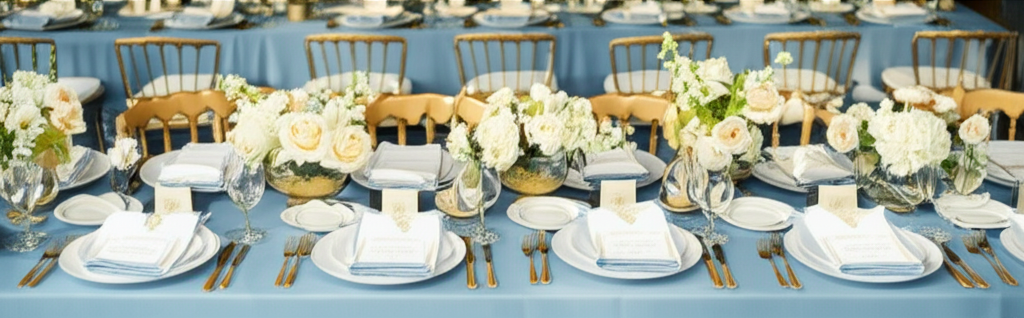
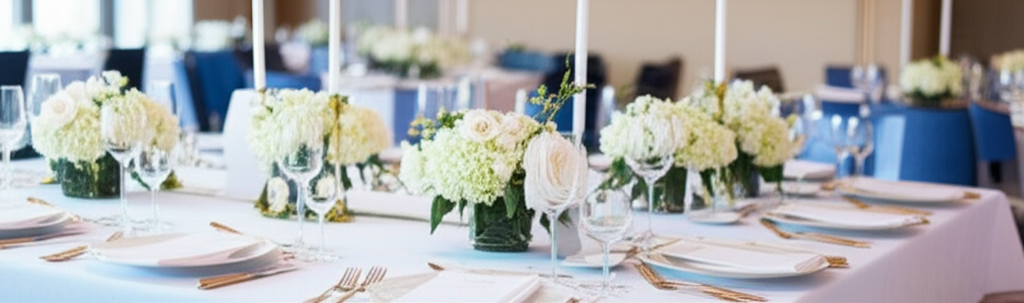
For a formal gala, focus on creating a sense of elegance and sophistication. Use round tables to encourage conversation and provide ample space for guests to move around. A central stage with clear sightlines is essential for speeches and performances. A dedicated cocktail reception area allows guests to mingle and network before the main event.
For a networking mixer, prioritize creating a relaxed and informal atmosphere. Use a mix of high-top and low-top tables to encourage mingling. An open floor plan allows guests to easily move around the room and connect with different people. Interactive activity stations can help break the ice and spark conversations.
You can also find free templates on websites like SeatingChartCreator.com. These templates provide a starting point for designing your layout and can be easily customized to fit your specific needs.
Common Charity Event Table Layout Mistakes to Avoid
Even with the best intentions, it's easy to make mistakes when planning your charity event table layout. Here are some common pitfalls to avoid:
Neglecting accessibility is another common mistake. Make sure that your layout is accessible to guests with disabilities, including wheelchair users. Provide ample space between tables for easy maneuvering, and ensure that all pathways are free of obstacles.
Failing to consider sightlines can also detract from the event experience. Make sure that all guests have a clear view of the stage or presentation area. Poor sightlines can lead to disengagement and missed opportunities to connect with your audience.
And finally, don't underestimate the importance of flow. Make sure that guests can easily move between different areas of the venue without encountering bottlenecks or congested areas.
Expert Tips for an Unforgettable Charity Event
Want to take your charity event table layout to the next level? Here are some expert tips to create an unforgettable experience for your guests:
Consider incorporating personalized touches into your table arrangements. For instance, you could include small gifts or handwritten notes for each guest. These thoughtful gestures can make people feel valued and appreciated.
Use lighting to create ambiance and highlight key areas of the venue. Soft, warm lighting can create a sense of intimacy and elegance, while brighter lighting can draw attention to the stage or presentation area.
Don't be afraid to get creative with your table décor. Use centerpieces, linens, and other decorative elements to create a visually appealing and memorable setting. Tie the décor into your event's theme or mission to reinforce your message.
Frequently Asked Questions
The ideal number of guests per table depends on the table size and shape. For round tables, aim for 8-10 guests. For rectangular tables, you can seat more people, but be mindful of conversation flow. Avoid overcrowding, as it can make guests uncomfortable.
Get Event Planning Tips
Weekly tips on seating arrangements, event layouts, and planning strategies.
SeatingChart Team
Our team of event planning experts is dedicated to helping you create unforgettable events with perfect seating arrangements.
Ready to Create Your Seating Chart?
Start planning your perfect event layout with our free drag-and-drop seating chart creator. No sign-up required to try it out!
Try Free Seating Chart Creator