The seating chart for 120 guests Formula Top Event Planners Use
Creating the Perfect Seating Chart for 120 Guests: A Comprehensive Guide
Planning an event for 120 guests? One of the most crucial, yet often stressful, tasks is creating a seating chart. A well-thought-out table arrangement can significantly enhance your guests' experience, fostering connections and ensuring everyone feels comfortable. But where do you even begin? Don't worry, this guide will walk you through every step, providing expert tips and strategies to create a flawless seating plan. From understanding table shapes and sizes to using free online tools like SeatingChartCreator.com, we'll cover everything you need to know to make your event a resounding success. This guide is designed to help you craft the ideal seating arrangement that maximizes enjoyment and minimizes stress.
Design Your Perfect Seating Chart
Free drag-and-drop seating chart creator for weddings, events, and venues. Export professional PDFs in minutes.
Create Free Seating ChartKey Takeaways
- Start early and gather detailed RSVP information.
- Consider guest relationships and dynamics when assigning seats.
- Utilize a free online tool like SeatingChartCreator.com to visualize and adjust your seating chart easily.
- Balance table compositions with a mix of personalities.
- Communicate the seating plan clearly to the venue and your guests.
Why is a Seating Chart for 120 Guests So Important?
A seating chart isn't just about logistics; it's about creating an atmosphere. Think of it as curating an experience for your guests. When planned effectively, a thoughtful seating arrangement can spark conversations, create lasting memories, and contribute significantly to the overall enjoyment of your event. Consider the alternative: a chaotic free-for-all where guests scramble for seats, potentially leaving some feeling isolated or excluded. For a larger event like one with 120 guests, a well-organized seating plan is essential to prevent confusion and ensure a smooth, enjoyable experience for everyone involved. It shows you care about your guests' comfort and social experience. Failing to plan is planning to fail, so take the time to craft the perfect seating arrangement.
More Than Just Names on a List
Beyond the practical aspects, a strategic seating chart demonstrates consideration for your guests' relationships and personalities. Are there family members who haven't seen each other in years? Seat them together to encourage reconnection. Do you have guests with similar interests or professions? Placing them at the same table can spark engaging conversations. Conversely, be mindful of potential conflicts or sensitivities. Avoid seating feuding family members near each other or placing someone with dietary restrictions next to a guest who might inadvertently offer them the wrong food. A little forethought can go a long way in ensuring everyone feels comfortable and included.
Understanding Table Shapes and Sizes for Your Seating Chart
The foundation of any seating chart is the table layout. Different table shapes and sizes offer unique advantages and disadvantages, impacting both the aesthetics of your event and the comfort of your guests. The most common options are round tables and rectangular tables, each with its own set of considerations. The right choice depends on your venue, the style of your event, and the number of guests you need to accommodate. Let's explore these options in detail to help you decide which works best for your event with 120 guests.
Round Tables: Promoting Conversation and Elegance
Round tables are a classic choice for weddings and formal events. They're known for fostering conversation, as everyone seated at the table can easily see and interact with each other. Typically, round tables comfortably seat 8-10 guests. For a seating chart for 120 guests using round tables, you'd likely need between 12 and 15 tables. Keep in mind the diameter of the tables and the space between them. You'll want to ensure guests have enough room to move around comfortably without bumping into each other.
Rectangular Tables: Maximizing Space and Creating a Modern Look
Rectangular tables offer a more modern aesthetic and can be a great choice if you're looking to maximize space. They're often used in banquet-style seating arrangements, where guests are seated along the sides of the table. Rectangular tables can be arranged end-to-end to create long, communal tables or grouped together to form larger seating areas. The number of guests you can seat at a rectangular table depends on its length, but a standard 6-foot rectangular table typically seats 6-8 guests. Using rectangular tables for 120 guests will require careful planning to ensure everyone has enough space and feels connected to the event.
Round Tables
- Better for conversation
- Classic elegant look
- Requires more floor space
Rectangular Tables
- More space efficient
- Modern aesthetic
- Can feel less intimate
Step-by-Step Guide: Creating Your Seating Chart for 120 Guests
Ready to dive into the process of creating your seating chart? Here's a step-by-step guide to help you navigate the process smoothly and efficiently. From gathering essential information to finalizing your table arrangement, these steps will ensure you create a seating plan that works for both you and your guests.
Gather Your RSVPs and Guest Information
The first step is to collect all your RSVPs and gather essential information about your guests, including their names, dietary restrictions, and any special needs. This information will be crucial when making seating decisions. Use a spreadsheet or RSVP management tool to keep track of all the details.
Determine Your Table Layout
Work with your venue to determine the available space and the best table layout for your event. Consider the shape and size of the room, the location of the dance floor, and any other factors that might influence your seating arrangement. Decide whether you'll use round tables, rectangular tables, or a combination of both.
Create a Preliminary Seating Chart
Using a tool like SeatingChartCreator.com, start creating a preliminary seating chart. Begin by placing VIP guests (e.g., family members, close friends) at tables closest to the head table or stage. Then, start grouping guests based on their relationships, interests, and personalities.
Review and Adjust Your Seating Chart
Once you have a preliminary seating chart, review it carefully and make any necessary adjustments. Consider feedback from family members or friends who know your guests well. Be prepared to make multiple revisions until you're satisfied with the final result.
Finalize and Communicate Your Seating Chart
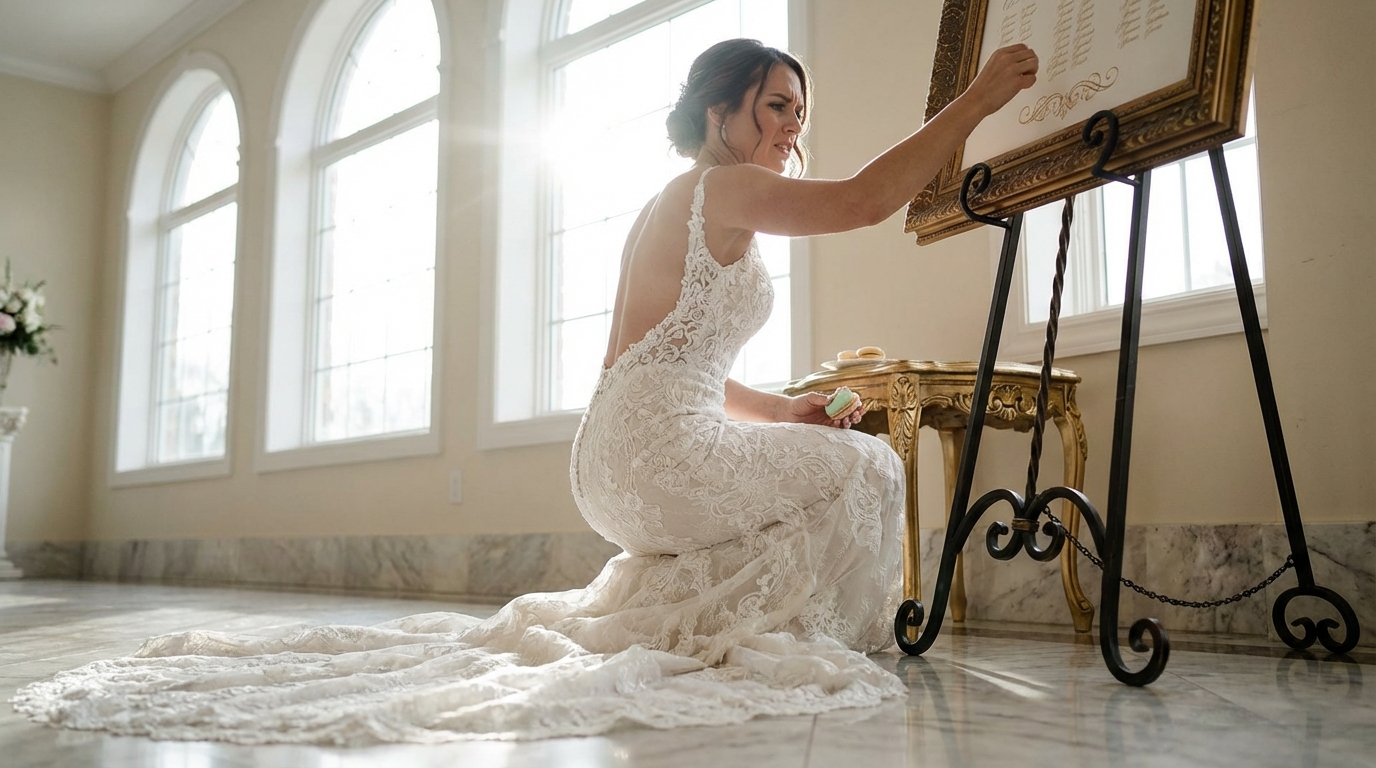
Once you're happy with your seating chart, finalize it and communicate it to your venue. Provide them with a clear, easy-to-read diagram of the table layout and guest assignments. You can also create escort cards or a large seating chart display to help guests find their tables on the day of the event.
Using SeatingChartCreator.com to Simplify the Process
Creating a seating chart for 120 guests can feel overwhelming, but it doesn't have to be. Online tools like SeatingChartCreator.com can significantly simplify the process, allowing you to visualize your table arrangement, experiment with different layouts, and make changes easily. With its drag-and-drop interface and user-friendly features, SeatingChartCreator.com empowers you to create the perfect seating plan without the stress and hassle of traditional methods.
Key Features of SeatingChartCreator.com
SeatingChartCreator.com offers a range of features designed to streamline the seating chart creation process. You can easily import your guest list, customize table shapes and sizes, and assign guests to tables with a simple drag-and-drop interface. The tool also allows you to add notes about each guest, such as dietary restrictions or special needs, ensuring you can accommodate everyone's requirements. Plus, it's free to use, making it accessible to everyone, regardless of their budget.
Tips for Balancing Table Compositions and Guest Dynamics
Creating a successful seating chart isn't just about assigning guests to tables; it's about creating balanced table compositions that foster conversation and enjoyment. Consider your guests' personalities, interests, and relationships when making seating decisions. Aim to create a mix of personalities at each table, ensuring there are enough conversationalists to keep the energy flowing.
Strategic Seating Strategies
Think about who knows each other, who has common interests, and who might enjoy meeting someone new. Seating people with shared interests or backgrounds can spark engaging conversations and create lasting connections. Be mindful of introverted guests and avoid placing them at tables with overwhelmingly extroverted personalities. Similarly, be aware of potential conflicts or sensitivities and avoid seating people who might not get along well.
Creative Seating Chart Ideas and Themes
Beyond the practical considerations, your seating chart can also be an opportunity to express your creativity and add a personal touch to your event. Consider incorporating a theme or creative element that reflects your style and personality. Here are a few ideas to inspire you.
Theme-Based Seating Charts
Choose a theme that resonates with you and incorporate it into your seating chart. For example, if you love to travel, you could name each table after a different city or country and include photos or mementos from your travels. If you're a book lover, you could name each table after a favorite book or author and include quotes or excerpts from the books.
Creative Escort Card Displays
Get creative with your escort card display. Instead of simply placing escort cards on a table, consider creating a visually appealing display that reflects your theme or style. You could hang escort cards from a tree branch, display them in vintage suitcases, or attach them to small favors.
What Common Mistakes Should You Avoid When Creating a Seating Chart?
Creating a seating chart can be a challenging task, and it's easy to make mistakes along the way. However, by being aware of these common pitfalls, you can avoid them and create a seating plan that works for everyone.
Ignoring Guest Relationships and Dynamics
One of the biggest mistakes you can make is ignoring the relationships and dynamics between your guests. Failing to consider who knows each other, who gets along well, and who might have conflicts can lead to awkward or uncomfortable situations. Take the time to gather information about your guests and use that information to inform your seating decisions.
Not Considering Special Needs or Dietary Restrictions
Another common mistake is failing to consider the special needs or dietary restrictions of your guests. Make sure to ask about any allergies, mobility issues, or other needs when you collect RSVPs. Use this information to ensure everyone is seated comfortably and can enjoy the meal without any issues.
Expert Tips for a Stress-Free Seating Chart Experience
Creating a seating chart doesn't have to be a stressful experience. By following these expert tips, you can streamline the process, avoid common pitfalls, and create a seating plan that enhances your event.
Start Early and Stay Organized
The earlier you start, the more time you'll have to gather information, experiment with different layouts, and make adjustments. Keep all your guest information, RSVPs, and seating chart drafts organized in a spreadsheet or project management tool.
Communicate With Your Venue and Vendors
Keep your venue and vendors informed about your seating chart plans. Discuss the table layout, the number of tables you'll need, and any special requirements for seating elderly guests or guests with disabilities.
Examples of Successful Seating Charts for 120 Guests
To give you a better idea of what a successful seating chart for 120 guests looks like, let’s examine a few scenarios. These examples illustrate different approaches to table arrangement, considering various factors such as guest relationships, event style, and venue layout.
Example 1: Formal Wedding Reception
In a formal wedding reception, the bride and groom prioritize family and close friends. The head table includes the bridal party and immediate family. Round tables are used to encourage conversation and create an elegant atmosphere. Guests are seated based on their relationships to the couple, with family members and close friends seated closest to the head table.
Example 2: Corporate Networking Event
For a corporate networking event, the goal is to facilitate connections and encourage interaction between attendees. Rectangular tables are arranged in a U-shape to create a more open and collaborative environment. Guests are seated based on their industry, job function, or areas of expertise to encourage meaningful conversations.
Formal Reception
- Prioritizes family
- Elegant round tables
- Focus on relationships
Networking Event
- Facilitates connections
- Open rectangular layout
- Focus on industry
Frequently Asked Questions
Ideally, you should start working on your seating chart 4-6 weeks before your event. This gives you enough time to gather RSVPs, consider guest relationships, and make adjustments as needed. Don't wait until the last minute, as rushing the process can lead to errors and oversights.
Get Event Planning Tips
Weekly tips on seating arrangements, event layouts, and planning strategies.
SeatingChart Team
Our team of event planning experts is dedicated to helping you create unforgettable events with perfect seating arrangements.
Ready to Create Your Seating Chart?
Start planning your perfect event layout with our free drag-and-drop seating chart creator. No sign-up required to try it out!
Try Free Seating Chart Creator