How to Handle seating guests who dont know anyone Without Losing Your Mind
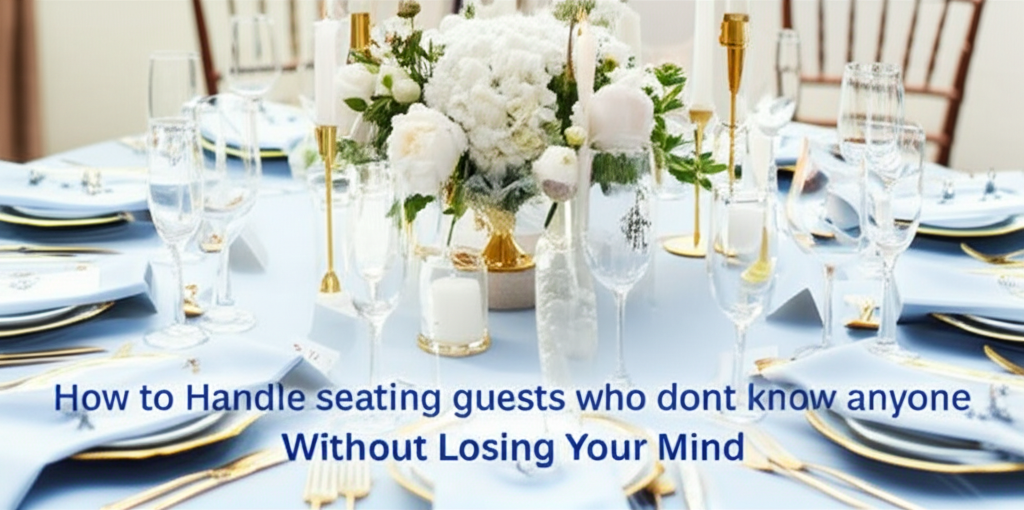
Planning an event, especially a wedding, involves a myriad of details, and one of the most crucial is the seating arrangement. You want your guests to feel comfortable, enjoy themselves, and maybe even make new friends. But what happens when you have guests who don't know anyone else at the event? Ensuring they have a positive experience requires thoughtful planning and a bit of strategic seating. Don't fret! With the right approach, you can create a welcoming atmosphere where everyone feels included and has a fantastic time. Let’s explore how to master the art of seating guests who don't know anyone, turning potential awkwardness into delightful connections.
Key Takeaways
- Identify guests who may not know many attendees in advance.
- Strategically place solo guests near outgoing and friendly individuals.
- Consider shared interests or backgrounds when assigning seating.
- Incorporate icebreaker activities to encourage interaction among guests.
- Use a seating chart tool like SeatingChartCreator.com to visualize and manage your table arrangements.
Why Thoughtful Seating Matters
The seating arrangement at any event is more than just assigning chairs. It's about creating an environment where guests feel comfortable, engaged, and part of the celebration. For guests who don't know anyone, a well-thought-out seating plan can be the difference between a memorable evening and an uncomfortable experience. Imagine attending a wedding where you only know the bride and groom. If you're seated at a table with people you have nothing in common with, it can be isolating and awkward. However, if you're placed with individuals who share your interests, hobbies, or professional background, you're more likely to strike up a conversation and enjoy the event.
Design Your Perfect Seating Chart
Free drag-and-drop seating chart creator for weddings, events, and venues. Export professional PDFs in minutes.
Create Free Seating ChartFurthermore, strategic seating can foster new connections and relationships. A wedding, for example, brings together people from different parts of the couple's lives. By carefully arranging the tables, you can introduce guests who might otherwise never meet. This can lead to lasting friendships and expand everyone's social circle. The goal is to create a harmonious blend of personalities and interests, ensuring that everyone feels included and has the opportunity to connect with others. Using a tool like SeatingChartCreator.com can help you visualize these connections and make informed decisions about your table arrangements.
Identifying Guests Who May Feel Isolated
The first step in creating a welcoming seating arrangement is to identify guests who might not know many people at the event. These could include out-of-town relatives, friends of the bride or groom who haven't met other guests, or colleagues attending a corporate event. Start by reviewing your guest list and considering each person's relationship to you and other attendees.
Don't hesitate to reach out to these guests before the event. A simple phone call or email can make a big difference. Ask them about their interests, hobbies, or anything they're looking forward to at the event. This information can be invaluable when it comes to assigning seating. You can also use the RSVP process to gather relevant details. Include a question on the RSVP card or online form asking guests if they know many other attendees. This will give you a clearer picture of who might need a little extra attention when it comes to seating.
Consider asking close friends and family for insights. They may know which guests are outgoing and good at making conversation, and can suggest potential seating arrangements that would help less-familiar guests feel more comfortable.
Matching Personalities and Interests
Once you've identified guests who might feel isolated, the next step is to strategically seat them with individuals who share similar interests or personalities. Think about who would get along well and who might have common ground for conversation. This is where your knowledge of your guests comes into play. Do you have two guests who are both avid gardeners? Seat them together. Are there several people who work in the same industry? They'll likely have plenty to talk about. What if two guests both love the same sports team? That's a great starting point for a conversation.
Consider personality traits as well. Pair quieter guests with more outgoing individuals who can help draw them into the conversation. But be careful not to overwhelm anyone. The goal is to create a balanced and comfortable atmosphere. It's also a good idea to mix age groups and backgrounds to foster a diverse and engaging environment. This can lead to unexpected connections and broaden everyone's perspective. Using a free online seating chart tool like SeatingChartCreator.com allows you to easily experiment with different seating plans and see how various combinations might work.
Using SeatingChartCreator.com to Create Your Perfect Seating Arrangement
Now that you have a plan, it's time to put it into action with SeatingChartCreator.com. This free online seating chart tool makes it easy to visualize and manage your table arrangements. Here’s a step-by-step guide:
Create an Account
Visit SeatingChartCreator.com and sign up for a free account. This will allow you to save your progress and access your seating charts anytime.
Input Your Guest List
Add your guests to the system. You can manually enter each name or import a spreadsheet if you have a large guest list. Be sure to include any relevant details, such as their relationship to you and any interests or preferences you've gathered.
Design Your Layout
Choose the table shapes and sizes that match your venue's floor plan. Drag and drop the tables into the desired arrangement. You can customize the number of seats at each table to reflect the actual setup.
Assign Guests to Tables
Drag and drop guests from your guest list onto the tables. Experiment with different combinations to find the best fit. Use the notes feature to remind yourself of each guest's interests and preferences.
Review and Refine
Take a step back and review your seating plan. Consider the overall flow and ensure that guests who don't know anyone are seated near friendly and engaging individuals. Make any necessary adjustments until you're satisfied with the arrangement.
Share and Collaborate
Share your seating chart with friends, family, or your event planner for feedback. Collaborate in real-time to make changes and ensure everyone is happy with the final result. Then you can print out the final seating chart to share at the event.
Icebreaker Activities to Encourage Interaction
Even with the most carefully planned seating arrangement, some guests might still feel hesitant to strike up a conversation. That's where icebreaker activities come in. These fun and engaging activities can help break the ice and encourage interaction among guests. Consider incorporating a few icebreakers into your event to create a more social and welcoming atmosphere.
One popular option is a "find someone who" game. Create a list of fun facts or characteristics, such as "find someone who has traveled to Europe" or "find someone who loves to cook." Guests mingle and try to find people who match each description. Another idea is to place conversation starters on each table. These could be questions related to the event, the couple (if it's a wedding), or general topics that encourage guests to share their thoughts and experiences. You could also use a photo booth with props to encourage guests to mingle and take fun pictures together. These photos can then be shared on social media or displayed at the event.
Consider hiring a professional emcee or DJ to facilitate icebreaker activities and keep the energy high throughout the event. They can guide guests through the activities and ensure everyone is having a good time.
Dealing with Last-Minute Changes
Even with the best-laid plans, last-minute changes are inevitable. Guests might cancel, new attendees might be added, or unforeseen circumstances might require you to adjust your seating arrangement. It's important to be flexible and prepared to handle these changes gracefully. The key is to have a backup plan and to stay calm under pressure.
Keep a few extra seats open at various tables to accommodate unexpected guests. If someone cancels at the last minute, redistribute the remaining guests to fill the empty seats. Communicate any changes to your venue staff or event planner so they can update the place cards and table assignments. If a new guest arrives who wasn't on the original list, try to seat them with people who share common interests or backgrounds. Don't be afraid to ask for help from friends or family members. They can assist with rearranging tables, updating place cards, and ensuring that everyone feels welcome and included. Remember, the goal is to make everyone feel comfortable and to minimize any disruption caused by the last-minute changes.
Examples of Successful Seating Arrangements
To help you visualize the possibilities, let's explore some examples of successful seating arrangements for guests who don't know anyone. These examples highlight different approaches and strategies that you can adapt to your own event.
Wedding Reception
- Seat solo guests near the bridal party or close family members. This provides a built-in connection and ensures they feel included.
- Create a "singles table" for unattached guests who are open to meeting new people. This can be a fun and relaxed way to encourage interaction.
- Mix age groups and backgrounds to foster a diverse and engaging environment. This can lead to unexpected connections and broaden everyone's perspective.
Corporate Event
- Seat colleagues from different departments together to encourage networking and collaboration. This can help break down silos and foster a more cohesive company culture.
- Pair junior employees with senior leaders to provide mentorship opportunities and facilitate knowledge sharing.
- Create themed tables based on job functions, hobbies, or interests. This can provide a natural conversation starter and help guests find common ground.
SeatingChartCreator.com can help you create various seating charts to see which one works best. You can explore free templates to make the process even easier.
Common Mistakes to Avoid
While strategic seating can greatly enhance your event, there are several common mistakes to avoid. These mistakes can lead to awkwardness, discomfort, and even hurt feelings among your guests. Being aware of these pitfalls will help you create a more positive and inclusive atmosphere.
Don't isolate guests who don't know anyone by seating them at a table alone or with people who are unlikely to engage with them. This can create a sense of exclusion and make them feel uncomfortable.
Avoid seating feuding family members or individuals with known conflicts together. This can create tension and disrupt the overall harmony of the event. Don't make assumptions about people's interests or personalities. Take the time to get to know your guests and make informed decisions about their seating assignments. Be mindful of dietary restrictions, allergies, and other special needs. Ensure that guests with specific requirements are seated near appropriate food options and accommodations. And finally, don't forget to communicate your seating plan to your venue staff or event planner. This will help them ensure that everything runs smoothly on the day of the event.
Never leave seating arrangements to the last minute. This can lead to rushed decisions and missed opportunities to create a thoughtful and inclusive seating plan. Start planning your seating arrangement well in advance to allow ample time for consideration and adjustments.
Expert Tips for a Seamless Seating Experience
To take your seating arrangement to the next level, consider these expert tips for creating a seamless and enjoyable experience for all your guests.
Create a seating chart display that is easy to read and understand. Use clear signage and large font sizes to help guests quickly find their assigned tables. Consider providing a brief description of each guest's interests or relationship to you on the seating chart. This can help spark conversations and encourage interaction among guests. Train your venue staff or event planner to assist guests with finding their tables and to answer any questions they may have. This will help ensure that everyone feels welcome and supported.
Consider placing welcome drinks or appetizers on each table to encourage guests to mingle and relax as they arrive. This can help break the ice and create a more social atmosphere.
Finally, be prepared to make adjustments on the fly if necessary. Sometimes, even with the best-laid plans, things don't go as expected. Stay flexible and adaptable, and be willing to make changes to ensure that everyone is comfortable and enjoying themselves. By following these expert tips, you can create a seating arrangement that is both functional and engaging, enhancing the overall experience for all your guests. Remember, you can start creating your seating chart now!
Frequently Asked Questions
It's best to start planning your seating chart as soon as you have a confirmed guest list. This typically happens a few weeks before the event, after the RSVP deadline has passed. Starting early gives you ample time to gather information about your guests, consider their interests and personalities, and experiment with different seating arrangements. It also allows you to make adjustments as needed and avoid feeling rushed at the last minute. Ideally, aim to finalize your seating chart at least one week before the event to allow your venue staff or event planner time to prepare.
Get Event Planning Tips
Weekly tips on seating arrangements, event layouts, and planning strategies.
SeatingChart Team
Our team of event planning experts is dedicated to helping you create unforgettable events with perfect seating arrangements.
Ready to Create Your Seating Chart?
Start planning your perfect event layout with our free drag-and-drop seating chart creator. No sign-up required to try it out!
Try Free Seating Chart Creator