Corporate Event Seating Arrangements: Best Practices for Success
The Power of Strategic Seating
In corporate events, seating isn't just about filling chairs—it's about facilitating connections, encouraging collaboration, and achieving your event goals.
Whether you're planning a conference, gala, or team-building dinner, the right seating arrangement can transform your event.
Key Takeaways
- Strategic seating facilitates connections and collaboration.
- Different seating layouts suit different event types.
- Technology can help plan and manage seating arrangements.
Types of Corporate Seating Layouts
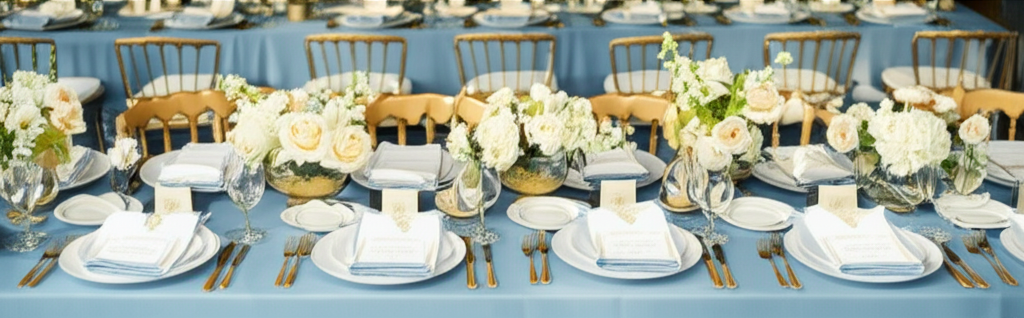
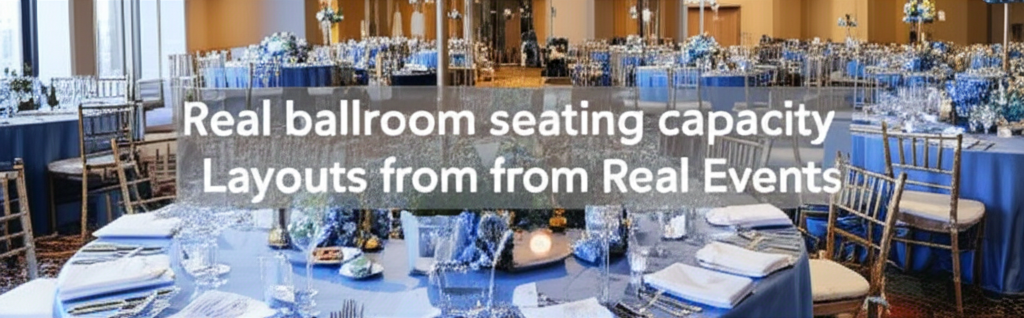
Banquet Style (Round Tables)
Best for: Galas, award ceremonies, formal dinners
Round tables of 8-10 promote conversation while maintaining formality. Place key stakeholders strategically for networking opportunities.
Theater Style
Best for: Presentations, keynotes, large announcements
All seats face the stage. Consider leaving aisles for easy movement and emergency exits.
Classroom Style
Best for: Training sessions, workshops, educational events
Tables facing forward allow for note-taking. Keep table sizes small (2-3 people) to minimize distractions.
U-Shape or Boardroom
Best for: Meetings, strategic discussions, small groups
Everyone can see each other, promoting open dialogue. Reserve the head position for facilitators or executives.
Strategic Seating Tips
Mix Departments
Cross-functional seating encourages new connections. Don't let the marketing team sit in their own corner—mix them with sales, engineering, and operations.
Consider Hierarchy Carefully
For formal events, C-suite executives should have premium positions. For team-building events, flatten the hierarchy with randomized seating.
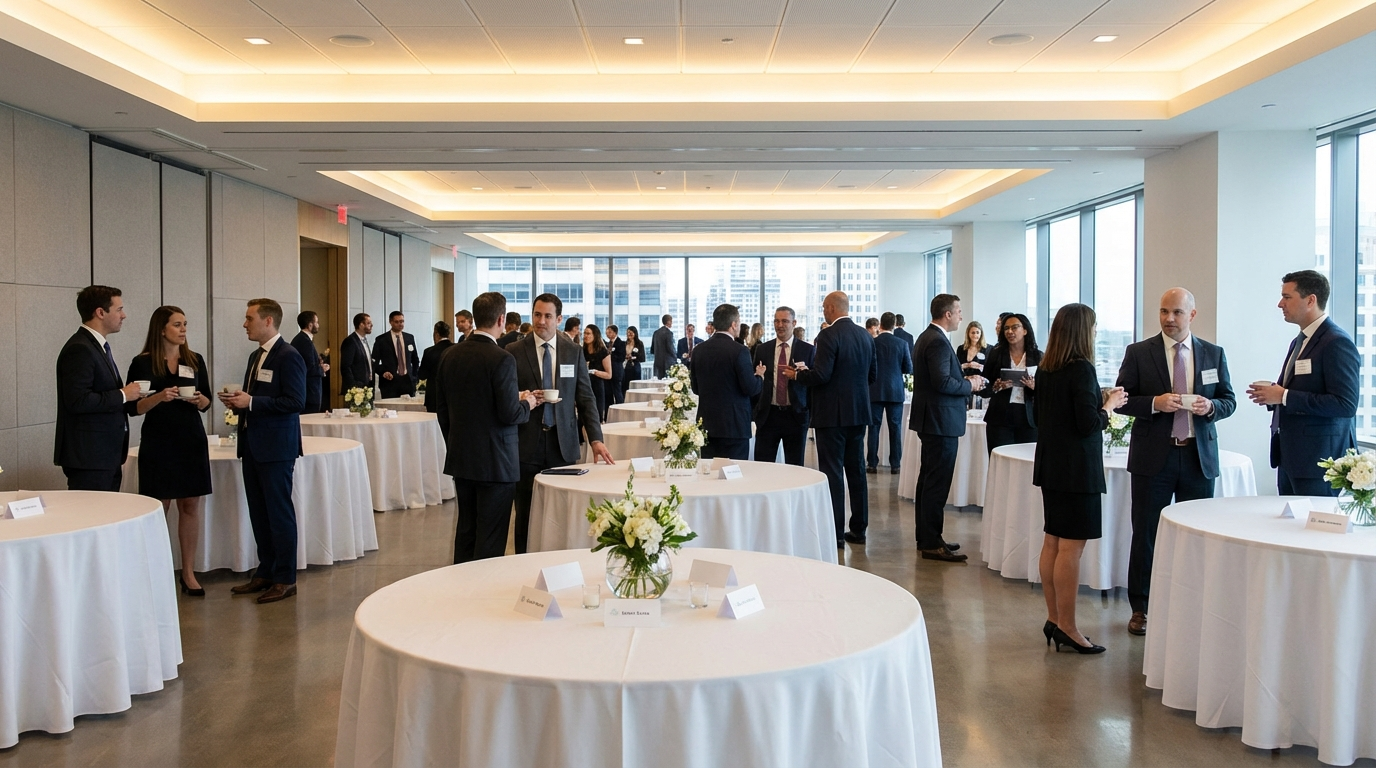
Plan for Networking
Leave space between tables for mingling. Consider a "networking hour" before seated portions begin.
Using Technology to Plan
Modern seating chart software lets you visualize your layout, manage guest lists, and make real-time changes. This is especially valuable when dealing with last-minute RSVPs or dietary requirements.
Common Mistakes to Avoid
- Overcrowding tables (leave elbow room)
- Ignoring dietary needs when assigning seats
- Placing competitors at the same table
- Forgetting accessibility requirements
Frequently Asked Questions
What is the best seating arrangement for a formal gala?
Banquet style (round tables) is generally best for galas as it promotes conversation while maintaining formality.
How can I encourage networking at a corporate event?
Leave space between tables for mingling and consider a dedicated "networking hour" before the seated portion of the event.
What should I do about last-minute RSVPs?
Use seating chart software that allows you to make real-time changes to accommodate last-minute additions or cancellations.
How important is it to consider dietary restrictions when planning seating?
It is very important. Ignoring dietary needs can lead to discomfort and negative experiences for your guests. Ensure you have accurate information and plan accordingly.
Should I mix departments at seating arrangements?
Yes, cross-functional seating encourages new connections and can lead to innovative ideas and collaborations.
What is the best seating arrangement for a training session?
Classroom style seating is best for training sessions, as it allows attendees to take notes and focus on the presentation.
Get Event Planning Tips
Weekly tips on seating arrangements, event layouts, and planning strategies.
SeatingChart Team
Our team of event planning experts is dedicated to helping you create unforgettable events with perfect seating arrangements.
Ready to Create Your Seating Chart?
Start planning your perfect event layout with our free drag-and-drop seating chart creator. No sign-up required to try it out!
Try Free Seating Chart Creator